In the world of professional photography, understanding the fundamentals is crucial for anyone looking to elevate their skills beyond the amateur level. While many beginners may pick up a camera and start shooting, true professionals recognize that mastery of the basics of photography is what sets them apart. This includes not only technical skills such as exposure, composition, and lighting but also an understanding of how to convey emotion and tell a story through images, especially when applying Angles and Composition Tips for Exterior Real.For those venturing into is what sets them apart. This includes not only technical skills such as exposure, composition, and lighting but also an understanding of how to convey emotion and tell a story through images, especially when applying Angles and Composition Tips for Exterior Real. For those venturing into photography for beginners, it’s essential to grasp these foundational concepts before diving into more complex techniques. Many amateur photographers often overlook the importance of planning their shots, which can lead to missed opportunities and subpar results.
Professionals, on the other hand, take the time to consider their subject, environment, and the message they wish to communicate, ensuring that every photograph is intentional and impactful. Moreover, understanding equipment is another area where amateurs frequently falter. While it’s easy to get caught up in the latest gear trends, seasoned photographers know that it’s not just about having the most expensive camera or lens; it’s about knowing how to use what you have effectively. This knowledge allows them to adapt to various shooting conditions and achieve stunning results regardless of their equipment.
Mistake #1: Neglecting Proper Equipment
One of the most significant photography equipment mistakes that amateur photographers make is underestimating the importance of investing in quality gear. While it might be tempting to start with a basic camera and a kit lens, professionals understand that the right equipment can dramatically enhance the quality of their work.Amateur photographers often overlook key components that can elevate their photography.Here are some common pitfalls:
- Choosing the Wrong Camera: Many beginners opt for entry-level cameras without considering their long-term needs. Professionals typically invest in cameras that offer advanced features, better low-light performance, and superior image quality.
- Ignoring Lenses: The lens is just as important as the camera body. Amateur photographers may stick with a standard kit lens, while professionals often have a variety of lenses tailored for different situations, such as prime lenses for portraits or wide-angle lenses for landscapes.
- Neglecting Accessories: Essential accessories like tripods, filters, and external flashes are often overlooked by amateurs. These tools can significantly improve stability, lighting, and overall image quality.
They take the time to learn how to use their equipment to its fullest potential, ensuring they can adapt to various shooting conditions.In conclusion, investing in quality photography equipment is crucial for anyone serious about improving their craft. By avoiding these common mistakes and prioritizing gear that enhances their skills, amateur photographers can take significant steps toward achieving professional-level results.
Mistake #2: Ignoring Composition Techniques
One of the most significant photography composition mistakes made by amateur photographers is neglecting established composition techniques. While capturing a moment is essential, how that moment is framed can dramatically affect the image's impact. Professionals understand that composition is not just about placing subjects in the frame; it’s about guiding the viewer’s eye and telling a story.One widely recognized technique is the rule of thirds.This principle suggests dividing the image into nine equal parts using two horizontal and two vertical lines. By positioning key elements along these lines or at their intersections, photographers can create a more balanced and engaging composition. For instance, instead of centering a subject, placing it off to one side can lead to a more dynamic image that draws the viewer in.Another common mistake is failing to consider framing in photography. Amateur photographers often overlook natural frames within their environment, such as doorways, windows, or branches.
Using these elements can add depth and context to an image, making it more visually appealing. Professionals frequently utilize framing to isolate their subjects and create a sense of intimacy or focus.Additionally, amateurs may not pay attention to leading lines—paths or lines that guide the viewer’s eye toward the main subject. These can be roads, rivers, or even architectural features. By incorporating leading lines into their compositions, photographers can enhance the sense of depth and perspective in their images.In summary, understanding and applying composition techniques like the rule of thirds and effective framing can significantly elevate an amateur photographer's work.
By avoiding these common mistakes and embracing professional strategies, photographers can improve their visual storytelling and create more compelling images.
Mistake #3: Poor Lighting Choices
One of the most significant mistakes amateur photographers make is underestimating the importance of lighting in photography. While professionals understand that lighting can make or break a photograph, many amateurs often rely on natural light without considering its quality, direction, and intensity.Understanding Light Quality
- Harsh Light: Shooting in direct sunlight can create unflattering shadows and highlights. Professionals often seek out softer light during the golden hour—shortly after sunrise or before sunset—to achieve a more flattering effect.
- Diffused Light: Using diffusers or reflectors can help soften harsh light, allowing for more even illumination. Amateurs may overlook these tools, resulting in images that lack depth and dimension.
Direction of Light
- Front Lighting: While it may seem intuitive to shoot with the light source facing the subject, this can flatten the image.
Professionals often experiment with side or backlighting to create more dynamic compositions.
- Understanding Shadows: Shadows can add drama and interest to a photo. Amateurs might avoid them altogether, while professionals embrace them as a vital element of their composition.
Using Artificial Lighting
Many amateur photographers shy away from using artificial lighting due to a lack of knowledge or fear of complexity. However, mastering professional lighting techniques, such as using speedlights or studio strobes, can significantly enhance the quality of their work. Understanding how to manipulate light sources allows photographers to create mood and atmosphere in their images.In conclusion, avoiding poor lighting choices is crucial for capturing high-quality images.
By learning to control and manipulate light effectively, amateur photographers can elevate their work to a professional level.
Mistake #4: Lack of Post-Processing Skills
One of the most significant photo editing mistakes that amateur photographers make is underestimating the power of post-processing. While capturing a great image is essential, the magic often happens in the editing room. Professionals understand that post-processing is not just about correcting exposure or color balance; it’s about enhancing the overall impact of the photograph.Many beginners either skip this crucial step altogether or approach it with a lack of knowledge, leading to poorly edited images that fail to convey their intended message. Here are some common pitfalls:- Over-editing: Amateurs often fall into the trap of applying too many filters or excessive adjustments, resulting in unnatural-looking photos.
Professionals know how to enhance an image while maintaining its authenticity.
- Ignoring Color Correction: Color grading can dramatically change the mood of a photograph. Beginners may overlook this aspect, while professionals use it to evoke emotions and create a cohesive look across their portfolio.
- Neglecting Cropping and Composition: Post-processing is an opportunity to refine composition. Many amateurs miss out on cropping their images effectively, which can lead to distracting elements in the frame.
Here are some professional photo editing tips to get started:
- Learn the Basics: Familiarize yourself with software like Adobe Lightroom or Photoshop. Understanding the tools at your disposal is crucial.
- Practice Non-Destructive Editing: Always work on copies of your images to preserve the original files. This allows for experimentation without fear of ruining your work.
- Seek Feedback: Join photography communities where you can share your edits and receive constructive criticism from more experienced photographers.
Mistake #5: Failing to Understand Camera Settings
One of the most significant camera settings mistakes that amateur photographers make is a lack of understanding of the fundamental components that affect image quality: ISO, aperture, and shutter speed.These three elements work together to create a well-exposed photograph, and mastering them is essential for anyone serious about professional photography.
ISO
refers to the sensitivity of your camera's sensor to light. Many beginners tend to set their ISO too high in low-light situations, resulting in grainy images. Professionals know that while increasing ISO can help in darker environments, it should be balanced with other settings to maintain image clarity.
Aperture
, measured in f-stops, controls the amount of light entering the lens and affects depth of field. Amateurs often use a wide aperture (low f-stop number) without understanding its impact on focus.
This can lead to images where only a small part is sharp, while the rest is blurred. In contrast, professionals adjust their aperture based on the desired effect—whether they want a shallow depth of field for portraits or a deeper focus for landscapes.
Shutter speed
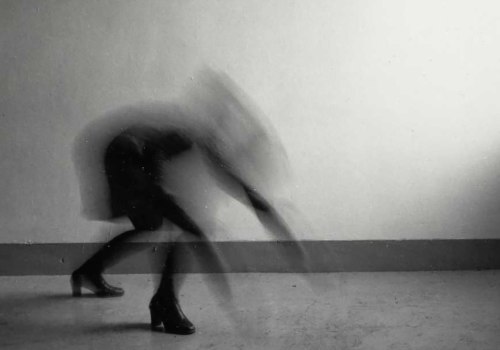
determines how long the camera's shutter remains open to let in light. Beginners frequently overlook this setting, leading to motion blur in fast-moving subjects or overly bright images in well-lit conditions. Professionals are adept at adjusting shutter speed to freeze action or create intentional motion blur, enhancing the storytelling aspect of their photographs.To avoid these common pitfalls, amateur photographers should invest time in learning the basics of these settings.
Understanding how ISO, aperture, and shutter speed interact will not only improve their technical skills but also elevate their creative vision. Experimenting with different combinations in various lighting conditions can provide invaluable hands-on experience that textbooks alone cannot offer.In summary, a solid grasp of camera settings is crucial for achieving high-quality images. By avoiding these common mistakes and embracing the fundamentals of photography, aspiring photographers can take significant strides toward producing professional-level work.
Mistake #6: Not Developing a Unique Style
One of the most significant pitfalls that amateur photographers encounter is the tendency to mimic the styles of established professionals rather than developing their own unique voice. While it’s natural to draw inspiration from others, relying too heavily on imitation can stifle creativity and prevent growth in the art of photography.Professional photographers understand that a distinctive style is crucial for standing out in a crowded market.This uniqueness not only attracts clients but also fosters a deeper connection with their audience. Here are some tips for amateurs looking to cultivate their own style:
- Experiment with Different Techniques: Try various photography techniques, such as long exposure, macro, or street photography. This experimentation can help you discover what resonates with you.
- Identify Your Influences: While it’s important to avoid direct imitation, understanding what you love about other photographers’ work can guide you in developing your own aesthetic.
- Focus on Personal Interests: Incorporate your hobbies and passions into your photography. Whether it’s nature, urban landscapes, or portraiture, your interests can shape your unique perspective.
- Seek Feedback: Share your work with peers or mentors who can provide constructive criticism.
This feedback can help you refine your style and identify areas for improvement.
Frequently Asked Questions About Professional Photography Mistakes
When it comes to professional photography, understanding common mistakes made by amateur photographers can significantly enhance your skills.Here are some frequently asked questions that shed light on these pitfalls:
What are the most common mistakes amateur photographers make?
- Neglecting Composition: Many amateurs overlook the importance of composition, leading to unbalanced or cluttered images. Professionals often use techniques like the rule of thirds to create visually appealing photographs.
- Ignoring Lighting: Lighting is crucial in photography. Amateur photographers may shoot in poor lighting conditions or fail to adjust their settings accordingly, resulting in underexposed or overexposed images.
- Over-Reliance on Automatic Settings: While automatic settings can be helpful, relying on them too heavily can limit creativity. Professionals often switch to manual mode to have full control over their shots.
- Not Understanding Their Equipment: Many amateurs do not take the time to learn about their camera's features and settings.
Professionals invest time in understanding their gear, which allows them to maximize its potential.
How can I avoid these mistakes?
- Practice Composition: Regularly practice different composition techniques and analyze your photos critically.
- Study Lighting: Experiment with various lighting conditions and learn how to manipulate natural and artificial light.
- Learn Manual Settings: Take the time to understand your camera's manual settings and practice using them in different scenarios.
- Invest in Education: Consider taking photography classes or online courses that focus on both technical skills and artistic vision.
Conclusion: Learning from Mistakes to Improve Your Photography Skills
In conclusion, understanding the common mistakes made by amateur photographers is crucial for anyone looking to elevate their skills in professional photography. By recognizing these pitfalls, you can take proactive steps to avoid them and enhance your photographic journey.Throughout this article, we explored several key areas where amateurs often falter:- Neglecting Composition: Many beginners overlook the importance of composition, which can drastically affect the impact of an image.
- Ignoring Lighting: Proper lighting is essential in photography. Professionals know how to manipulate natural and artificial light to their advantage.
- Over-reliance on Automatic Settings: While automatic settings can be helpful, they often limit creativity. Learning manual controls can lead to more dynamic results.
- Failing to Edit: Post-processing is a vital part of the photography process.
Professionals utilize editing software to refine their images and bring their vision to life.
- Lack of Practice: Photography is an art that requires practice. Professionals continually hone their skills through regular shooting and experimentation.
Keep pushing your boundaries, seek feedback, and most importantly, enjoy the art of capturing moments.