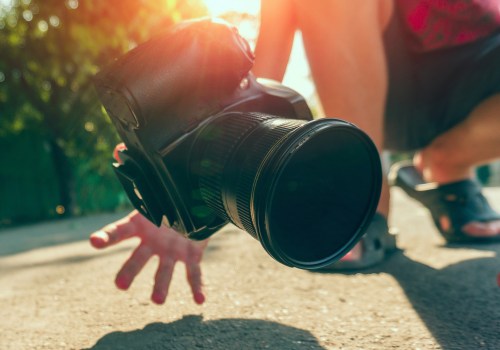
In today's visually driven world, professional photography plays a crucial role in capturing moments, telling stories, and conveying messages across various industries. From advertising to journalism, the art of photography has evolved into a multifaceted profession that encompasses a wide range of styles and techniques. Understanding what constitutes professional photography is essential for anyone looking to appreciate or engage with this dynamic field. At its core, professional photography refers to the practice of taking photographs for commercial purposes, where the photographer is compensated for their work. This can include everything from portraits and weddings to product shoots and editorial images.
Each type of photography serves a unique purpose and requires specific skills, equipment, and artistic vision. As we delve deeper into the various types of photography, it becomes clear that each style not only reflects the photographer's personal aesthetic but also caters to the needs of clients and audiences. The significance of professional photography extends beyond mere aesthetics; it influences how we perceive brands, events, and even personal milestones. In an age where social media dominates our interactions, high-quality images are more important than ever. They not only enhance engagement but also establish credibility and professionalism.
As we explore the different photography styles, we will uncover how each type contributes to the broader narrative of visual communication in our society.
Portrait Photography
Portrait photography is a specialized genre that focuses on capturing the essence and personality of an individual or group. Unlike other forms of photography, which may emphasize landscapes or events, portrait photography aims to showcase the subject's character through various styles and techniques.There are several types of portrait photography, each with its unique approach and purpose:- Traditional Portraits: These are posed photographs often taken in a studio setting. The subjects are usually directed to look at the camera, creating a classic and timeless feel.
- Candid Portraits: This style captures subjects in natural, unposed moments. Candid portraits often reveal genuine emotions and interactions, making them feel more relatable and authentic.
- Environmental Portraits: These portraits place the subject in their natural surroundings, providing context about their life or profession.
This style helps tell a story about the individual.
- Glamour Portraits: Focused on beauty and fashion, glamour portraits often involve professional makeup and styling. They aim to highlight the subject's attractiveness and confidence.
- Family Portraits: These capture groups of family members, often during special occasions or gatherings. They serve as lasting memories that families cherish over time.
Whether it's a formal headshot for a business profile or a relaxed family gathering, portrait photography plays a crucial role in preserving memories and showcasing the unique stories of individuals.
Commercial Photography
Commercial photography plays a crucial role in the world of advertising and marketing, serving as a powerful tool for businesses to communicate their brand message and engage with their target audience. This type of photography encompasses a variety of styles and techniques, each tailored to meet specific marketing needs.One of the primary subtypes of commercial photography is advertising photography. This genre focuses on creating compelling images that promote products, services, or brands. The goal is to capture the attention of potential customers and evoke an emotional response that drives them to take action.Advertising photography often involves elaborate setups, creative concepts, and sometimes even models to showcase products in the best light.Another significant category within commercial photography is product photography. This type emphasizes the visual representation of products, aiming to highlight their features and benefits. High-quality product images are essential for e-commerce websites, catalogs, and promotional materials. Photographers specializing in this field utilize various techniques such as lighting, angles, and backgrounds to create images that not only look appealing but also convey the product's value effectively.
- Fashion Photography: A subset of commercial photography that focuses on clothing and accessories, often used in magazines and advertisements.
- Food Photography: This niche captures food items in an appetizing way, essential for restaurants and food brands.
- Corporate Photography: Involves capturing images for corporate branding, including headshots, team photos, and office environments.
By understanding the different subtypes like advertising and product photography, businesses can better leverage these visual strategies to enhance their marketing efforts and connect with consumers effectively.
Event Photography
Event photography is a specialized field that focuses on capturing significant moments during various occasions. This type of photography is essential for preserving memories and documenting events that hold personal or professional importance.Among the different forms of event photography, two prominent categories are wedding photography and corporate event photography.Wedding Photography
Wedding photography is perhaps the most recognized form of event photography. It involves capturing the essence of a couple's special day, from the emotional ceremony to the lively reception. A skilled wedding photographer must possess not only technical expertise but also an understanding of the couple's vision and style.Key skills include:
- Attention to detail: Capturing intricate details such as decorations, attire, and candid moments.
- People skills: Engaging with guests and making them feel comfortable in front of the camera.
- Creativity: Finding unique angles and compositions to tell a compelling story.
Corporate Event Photography
Corporate event photography, on the other hand, focuses on documenting business-related events such as conferences, product launches, and company parties. This type of photography plays a crucial role in branding and marketing efforts. Essential skills for corporate photographers include:- Professionalism: Maintaining a polished demeanor while interacting with clients and attendees.
- Adaptability: Adjusting to various lighting conditions and environments quickly.
- Storytelling: Capturing the atmosphere and key moments that reflect the company's culture and objectives.
Fine Art Photography
Fine art photography is a unique genre that transcends traditional photography by emphasizing the artist's vision and emotional expression.Unlike commercial photography, which often aims to sell a product or service, fine art photography is created primarily for aesthetic purposes and to convey a deeper message or concept.One of the defining characteristics of fine art photography is its focus on artistic expression. Photographers in this field often experiment with various techniques, styles, and subjects to create images that resonate on an emotional level. This can include everything from abstract compositions to surreal landscapes, each piece reflecting the photographer's personal interpretation of reality.
Artistic Photography Styles
- Abstract Photography: This style emphasizes shapes, colors, and forms rather than recognizable subjects, inviting viewers to interpret the image in their own way.
- Conceptual Photography: Here, the photographer conveys a specific idea or concept through staged scenes or symbolic imagery, often challenging societal norms or perceptions.
- Portraiture: Fine art portrait photographers focus on capturing the essence of their subjects, often using dramatic lighting and unique settings to enhance the emotional impact.
- Landscape Photography: While traditional landscape photography aims to document natural beauty, fine art landscape photographers may manipulate elements to create a more evocative or surreal representation.
By prioritizing creativity and personal vision over commercial intent, it invites both artists and viewers to explore complex emotions and ideas through the lens of a camera.
Documentary Photography
Documentary photography serves as a powerful medium for storytelling, capturing real-life events and experiences in a way that resonates deeply with viewers. Unlike traditional photography, which may focus on posed subjects or artistic interpretations, documentary photography aims to present an unfiltered glimpse into the world, often highlighting social issues, cultural narratives, and human emotions.One of the most recognized forms of documentary photography is photojournalism. This branch of photography plays a crucial role in journalism by providing visual evidence of news events. Photojournalists work tirelessly to document significant moments, from political protests to natural disasters, ensuring that the public remains informed about the realities of our world.Their images not only tell stories but also evoke emotions, prompting viewers to engage with the subject matter on a deeper level.Through storytelling, documentary photographers can shed light on underrepresented communities and issues that may otherwise go unnoticed. By focusing on real people and their experiences, these photographers create a narrative that fosters empathy and understanding. For instance, a series of photographs depicting life in a marginalized neighborhood can challenge stereotypes and encourage dialogue about social justice.Moreover, documentary photography often serves as a historical record. The images captured today can provide future generations with insights into contemporary life, culture, and societal challenges.
This aspect of documentary work emphasizes its importance not just as an art form but as a vital tool for education and awareness.In conclusion, documentary photography is more than just capturing images; it is about telling stories that matter. By combining artistry with journalism, photographers in this field have the power to influence public perception and inspire change.
Sports Photography
Sports photography is a dynamic and challenging field that requires a unique set of skills and techniques to effectively capture the intensity and emotion of athletic events. Professional sports photographers must be adept at anticipating action, understanding the nuances of various sports, and utilizing specialized equipment to achieve stunning results.One of the primary challenges in sports photography is capturing fast-paced action shots. Athletes move at incredible speeds, making it essential for photographers to have quick reflexes and a keen eye for timing.Utilizing high-speed shutter settings is crucial to freeze motion, allowing photographers to capture pivotal moments such as a basketball player making a slam dunk or a sprinter crossing the finish line.In addition to technical skills, understanding the sport being photographed is vital. Each sport has its own rhythm and key moments that define its excitement. For instance, in football, the moments leading up to a touchdown are often just as thrilling as the score itself. A professional sports photographer must know when to focus on the players' expressions, the crowd's reactions, or the overall atmosphere of the event.
- Equipment: Professional sports photographers typically use high-quality cameras with fast autofocus systems and telephoto lenses to capture distant action without losing detail.
- Lighting: Many sporting events take place outdoors or in large arenas with varying lighting conditions.
Photographers must be skilled in adjusting their settings to ensure optimal exposure.
- Post-Processing: After capturing images, editing plays a significant role in enhancing photos. Techniques such as cropping, color correction, and sharpening can elevate an image from good to exceptional.
By mastering these elements, they can create compelling images that not only document athletic achievements but also evoke emotions and tell stories that engage audiences.
Architectural and Real Estate Photography
In the realm of professional photography, architectural and real estate photography plays a crucial role in effectively showcasing buildings and spaces. This specialized form of photography not only highlights the aesthetic appeal of structures but also serves as a powerful marketing tool for real estate agents, architects, and developers.Architectural photography
focuses on capturing the design and essence of buildings. It emphasizes the interplay of light, shadow, and form, allowing viewers to appreciate the architectural details that define a structure. Photographers often use wide-angle lenses to create a sense of space and depth, ensuring that both the interior and exterior elements are well-represented.On the other hand, real estate photography is tailored specifically for marketing properties.The goal is to present homes in their best light, making them appealing to potential buyers. This involves not only capturing stunning images of the property but also employing various interior photography techniques to enhance the visual narrative.
- Lighting: Utilizing natural light whenever possible can create a warm and inviting atmosphere. Additionally, using external flashes or reflectors can help illuminate darker areas.
- Staging: Properly staging a home can significantly impact its appeal. This includes decluttering spaces, arranging furniture strategically, and adding decorative elements that enhance the overall aesthetic.
- Aerial Photography: Drones have revolutionized real estate photography by providing stunning aerial views that showcase properties in relation to their surroundings.
High-quality images can make a significant difference in attracting potential buyers or clients. In an increasingly digital world, where first impressions are often made online, investing in professional photography is essential for anyone looking to market properties effectively.
Nature and Wildlife Photography
Nature and wildlife photography is a captivating genre that immerses photographers in the beauty of the natural world. This form of professional photography focuses on capturing stunning landscapes, intricate details of flora, and the dynamic behaviors of wildlife. Outdoor photographers often venture into diverse environments, from lush forests to arid deserts, to document the splendor of nature.One of the primary goals of nature photography is to showcase the breathtaking beauty of landscapes.Photographers utilize various techniques to highlight the unique features of different terrains, such as:
- Lighting: The golden hour, just after sunrise or before sunset, provides soft, warm light that enhances colors and textures.
- Composition: Techniques like the rule of thirds help create balanced and engaging images.
- Perspective: Experimenting with angles can reveal new dimensions in familiar scenes.
- Patience: Waiting for the perfect moment can lead to extraordinary shots that reveal the essence of an animal's life.
- Stealth: Approaching subjects quietly ensures that animals remain undisturbed, allowing for more authentic captures.
- Knowledge: Understanding species-specific behaviors can help photographers anticipate actions and reactions.
Whether capturing sweeping vistas or intimate moments in animal behavior, outdoor photographers contribute significantly to our appreciation and understanding of the natural world.
Conclusion: The Importance of Understanding Different Types of Professional Photography
In conclusion, understanding the different types of professional photography is essential for both aspiring photographers and clients seeking to hire their services. Each genre of photography, from portrait to wedding, and commercial to fine art, offers unique opportunities and challenges that cater to specific needs and preferences. For photographers, recognizing the nuances of each type allows them to hone their skills, develop a distinctive style, and effectively market their services. By specializing in a particular genre, photographers can build a strong portfolio that showcases their expertise and attracts the right clientele. Clients, on the other hand, benefit from understanding these distinctions as it enables them to make informed decisions when selecting a photographer. Knowing what to expect from different styles can lead to better communication and ultimately result in a more satisfying experience.For instance:
- Portrait photography focuses on capturing the essence of individuals or groups, making it ideal for personal milestones.
- Event photography, such as weddings or corporate functions, requires a keen eye for candid moments and storytelling.
- Commercial photography emphasizes product promotion and branding, crucial for businesses looking to enhance their visual presence.