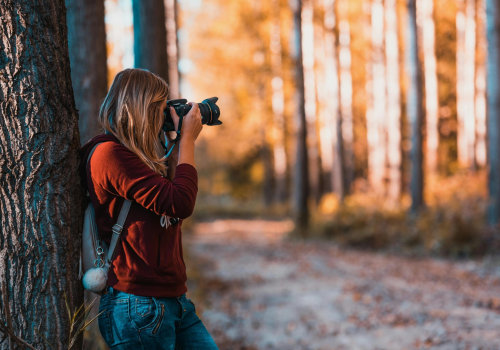
In the realm of professional photography, the ability to adapt to challenging lighting and weather conditions is crucial for capturing stunning images. Photographers often find themselves in situations where natural light is either too harsh or too dim, and unpredictable weather can add another layer of complexity. Understanding these challenges is essential for both aspiring photographers and seasoned professionals who strive to create compelling visual narratives. Lighting conditions can vary dramatically throughout the day, with the golden hour providing soft, flattering light, while midday sun can cast harsh shadows and create unflattering contrasts. Professional photographers must be equipped with the knowledge and tools to manipulate these conditions, whether it’s using reflectors to bounce light or employing off-camera flash techniques to fill in shadows.
Moreover, they must also be prepared for sudden changes in weather, such as unexpected rain or overcast skies, which can dramatically alter the mood and tone of a shoot. By embracing these challenges, photographers not only enhance their technical skills but also develop a deeper understanding of their craft. The ability to work with difficult lighting and weather conditions often separates amateur photographers from true professionals. As we delve deeper into this topic, we will explore specific strategies and techniques that professional photographers employ to overcome these obstacles, ensuring that they can deliver breathtaking images regardless of the circumstances.
The Importance of Preparation in Professional Photography
In the realm of professional photography, preparation is not just a step; it is the foundation upon which successful shoots are built. When faced with challenging lighting or unpredictable weather conditions, a well-thought-out plan can make all the difference.One of the first steps in preparing for a photoshoot is to create a detailed shot list.This list should outline the specific images you aim to capture, including the desired angles, compositions, and any particular elements you want to highlight. By having a clear vision of your objectives, you can adapt more easily to changing conditions. For instance, if you know you want to capture a sunset but the weather forecast predicts clouds, you can plan to arrive early and scout alternative locations that might offer better light.Another critical aspect of preparation is conducting thorough research on the location and its lighting conditions at different times of day. Understanding how natural light interacts with your chosen environment allows you to anticipate challenges and adjust your shooting schedule accordingly.
For example, if you're shooting outdoors, consider the time of day when the sun is at its most flattering angle.Additionally, an equipment checklist is essential for ensuring that you have everything you need on hand. This checklist should include not only your camera and lenses but also essential accessories such as:
- Tripods for stability in low-light situations
- Reflectors to manipulate natural light
- Light meters for accurate exposure readings
- Weather protection gear, like rain covers for your camera
- Extra batteries and memory cards to avoid interruptions
Techniques for Managing Difficult Lighting Conditions
When it comes to professional photography, managing difficult lighting conditions is crucial for capturing stunning images. Photographers often face challenges such as harsh sunlight, overcast skies, or mixed lighting sources.Here are some effective techniques they employ to navigate these situations:
- Using Reflectors: Reflectors are invaluable tools that help bounce light onto the subject. By positioning a reflector opposite the light source, photographers can fill in shadows and create a more balanced exposure. This technique is particularly useful in outdoor settings where natural light can be unpredictable.
- Employing Diffusers: In scenarios with harsh sunlight, diffusers can soften the light and reduce contrast. These materials, which can be as simple as a white sheet or a specialized diffusion panel, help create a more flattering light on the subject, making it ideal for portrait photography.
- Adjusting Camera Settings: Professional photographers are adept at adjusting their camera settings to adapt to varying lighting conditions.
This includes modifying the ISO, aperture, and shutter speed to achieve the desired exposure. For instance, increasing the ISO can help capture more light in dim conditions, while a wider aperture allows for more light to hit the sensor.
- Utilizing Natural Light: Understanding how to work with natural light is essential for any photographer. During golden hour—shortly after sunrise or before sunset—the soft, warm light creates beautiful images. Photographers often plan their shoots around these times to take advantage of the most flattering natural light.
- Post-Processing Techniques: Even with the best preparation, sometimes lighting conditions can still be challenging.
Professional photographers often rely on post-processing software to enhance their images. Adjustments in exposure, contrast, and color balance can significantly improve photos taken in less-than-ideal lighting.
Adapting to Weather Challenges During a Shoot
When it comes to professional photography, adapting to challenging weather conditions is crucial for capturing stunning images. Photographers often find themselves in situations where rain, snow, or harsh sunlight can impact their work. Here are some strategies they employ to tackle these challenges effectively.Protecting Gear
One of the first steps photographers take is to ensure their equipment is protected.This can include:
- Weather-sealed cameras and lenses: Investing in gear that is designed to withstand moisture and dust can save a shoot.
- Rain covers: Using specialized rain covers for cameras allows photographers to shoot in wet conditions without damaging their equipment.
- Lens hoods: These can help prevent raindrops from hitting the lens directly, reducing the risk of unwanted spots on images.
Creative Shooting Techniques
In addition to protecting their gear, professional photographers often adapt their shooting techniques to make the most of adverse weather:- Shooting in the rain: Rain can add a unique atmosphere to photos. Photographers may choose to capture reflections in puddles or use umbrellas as props to create interesting compositions.
- Utilizing natural light: Overcast skies can provide soft, diffused lighting that is ideal for portraits and landscapes. Photographers often embrace these conditions rather than shy away from them.
- Embracing snow: Snowy environments can create a magical backdrop. Photographers may adjust their exposure settings to ensure that the bright white snow is accurately represented in their images.
By understanding how to protect their gear and adapt their techniques, professional photographers can turn potential obstacles into opportunities for breathtaking shots.
Post-Processing Techniques for Challenging Conditions
When faced with challenging lighting or weather conditions, professional photographers often rely on post-processing techniques to enhance their images. This stage of photography is crucial, as it allows photographers to correct issues that may have arisen during the shoot and to bring their creative vision to life.One of the most popular software options for post-processing is Adobe Lightroom. This tool offers a range of features that can help adjust exposure, contrast, and color balance. For instance, if a photo was taken in harsh sunlight, Lightroom's Graduated Filter can be used to darken the sky while keeping the foreground well-lit.Similarly, the Adjustment Brush allows for localized edits, making it easier to fix specific areas without affecting the entire image.
Adobe Photoshop
is another powerful tool that many professionals turn to for more complex edits. With its advanced capabilities, photographers can perform tasks such as:- Noise Reduction: Essential for images taken in low light or high ISO settings.
- Color Grading: Adjusting hues and saturation to create a specific mood or atmosphere.
- Layering Techniques: Combining multiple exposures to achieve a balanced image.
- Cropping: This can help eliminate distracting elements and focus on the subject.
- Sharpening: Enhancing details can make images appear crisper and more professional.
- White Balance Adjustment: Correcting color casts caused by different lighting sources ensures that colors appear natural.
Real-Life Examples from Professional Photographers
Professional photographers often face unpredictable challenges during shoots, particularly when it comes to lighting and weather conditions. Here are some real-life examples that illustrate how seasoned photographers have successfully navigated these hurdles.Case Study: Outdoor Wedding in Harsh Sunlight
One wedding photographer, Sarah, recalls a summer wedding where the ceremony was held at noon under a blazing sun.The harsh lighting created unflattering shadows on the couple's faces. To combat this, she quickly adapted by using a reflector to bounce light onto their faces, softening the shadows. Additionally, she positioned the couple in a shaded area for their portraits, utilizing the natural light to create a dreamy atmosphere.
Experience: Capturing Stormy Skies
Another photographer, Mark, specializes in landscape photography and often works in unpredictable weather. During one shoot, he encountered an unexpected storm while photographing a mountain range.Instead of packing up, he embraced the conditions. He set up his camera to capture the dramatic clouds rolling in and used a long exposure technique to create a sense of movement in the sky. The resulting images were not only stunning but also conveyed the raw power of nature.
Tips from Professionals
- Be Prepared: Always carry essential gear like reflectors, diffusers, and extra lenses to adapt to changing conditions.
- Embrace the Elements: Sometimes, challenging weather can lead to unique and compelling images that stand out.
- Know Your Equipment: Familiarize yourself with your camera settings so you can quickly adjust for different lighting scenarios.
Frequently Asked Questions About Photography in Difficult Conditions
When it comes to professional photography, understanding how to navigate challenging lighting and weather conditions is crucial.Here are some frequently asked questions that can help photographers tackle these obstacles effectively.
What should I do if the lighting is too harsh?
Harsh lighting can create unflattering shadows and highlights. Here are some tips:- Use reflectors to bounce light onto your subject, softening shadows.
- Adjust your shooting time; early mornings or late afternoons often provide softer, more flattering light.
- Utilize diffusers to soften direct sunlight, creating a more even light distribution.
How can I prepare for unpredictable weather?
Weather can change rapidly, especially during outdoor shoots. Here are some strategies:- Check the forecast before your shoot and have a backup plan in case of rain or extreme conditions.
- Invest in weather-resistant gear, including camera covers and protective cases for your equipment.
- Embrace the elements; sometimes, overcast skies can provide beautiful, diffused lighting.
What are some common challenges photographers face in difficult conditions?
Photographers often encounter several challenges:- Exposure issues: Balancing highlights and shadows can be tricky in bright or uneven lighting.
- Focus problems: Low light can make it difficult to achieve sharp focus, so consider using a tripod or increasing your ISO.
- Composition challenges: Weather elements like wind or rain can affect how you frame your shot, requiring quick adjustments.
Conclusion: Embracing the Challenge in Professional Photography
In conclusion, navigating the complexities of professional photography is not just about technical skills; it’s also about embracing the unpredictable nature of lighting and weather conditions. Throughout this article, we’ve explored various strategies that photographers employ to tackle these challenges head-on, transforming potential setbacks into opportunities for creativity.Whether it’s utilizing reflectors to bounce light in harsh conditions or adapting to sudden changes in weather, the ability to think on one’s feet is crucial.Professional photographers often find that these moments of adversity can lead to some of their most striking work. The key takeaway is that every challenge presents a chance to innovate and push artistic boundaries.
- Preparation is Essential: Successful photographers often prepare for shoots by scouting locations and checking weather forecasts, allowing them to anticipate and plan for potential issues.
- Adaptability: The best photographers are those who can quickly adapt their techniques and equipment to suit changing conditions, whether it means switching lenses or adjusting camera settings.
- Creativity Under Pressure: Difficult situations can spark creativity, leading photographers to experiment with new angles, compositions, or post-processing techniques that they might not have considered otherwise.