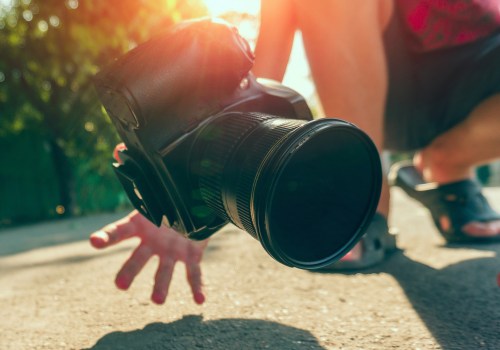
In the realm of professional photography, ethics play a crucial role in shaping the relationship between photographers, their subjects, and the audience. As visual storytellers, photographers wield significant power in how they represent people, places, and events. This responsibility necessitates a deep understanding of professional photography ethics, which encompass a range of practices aimed at ensuring respect, integrity, and honesty in the art of capturing images, especially when it comes to Choosing the Right Camera for Landscape Photography.Ethical photography practices are not merely guidelines; they are foundational principles that guide photographers in their decision-making processes. From obtaining informed consent from subjects to accurately representing the context of a scene, these practices help maintain trust and credibility within the profession. , which encompass a range of practices aimed at ensuring respect, integrity, and honesty in the art of capturing images, especially when it comes to Choosing the Right Camera for Landscape Photography. Ethical photography practices are not merely guidelines; they are foundational principles that guide photographers in their decision-making processes. From obtaining informed consent from subjects to accurately representing the context of a scene, these practices help maintain trust and credibility within the profession.
The importance of ethics in photography cannot be overstated, as it influences public perception and can impact the lives of individuals depicted in photographs. As we delve deeper into this topic, we will explore specific ethical considerations that every professional photographer should be aware of. Understanding these principles is essential not only for fostering a positive relationship with subjects but also for upholding the integrity of the photographic community as a whole. By prioritizing ethical standards, photographers can ensure that their work contributes positively to society while also enhancing their own professional reputation.
Informed Consent in Photography
In the realm of professional photography, obtaining informed consent from subjects is not just a legal requirement but also a fundamental ethical practice. This process ensures that individuals are fully aware of how their images will be used and gives them the opportunity to agree or disagree with the intended use.Informed consent
involves more than just a signature on a piece of paper; it requires clear communication about the purpose of the photography, the context in which the images will be used, and any potential risks involved.Photographers should take the time to explain these aspects to their subjects, ensuring they understand what they are consenting to.
The Importance of Consent Forms
Utilizing consent forms for photographers is an effective way to formalize this agreement. These forms should include:- Contact Information: Details of both the photographer and the subject.
- Description of Use: A clear outline of how the images will be used, whether for commercial purposes, social media, or personal portfolios.
- Duration of Consent: Specify how long the consent is valid and if it can be revoked.
- Rights Granted: Clarify what rights are being granted to the photographer regarding image usage.
Ethical Consent Practices
Beyond legalities, ethical consent practices in professional photography involve respecting the autonomy and dignity of subjects. Photographers should be sensitive to cultural differences and personal boundaries.For instance, in some cultures, taking photographs may require additional permissions or may be considered intrusive.Moreover, it’s essential for photographers to remain transparent about any alterations made to images post-shoot. Misleading representations can lead to ethical dilemmas and damage reputations. By prioritizing informed consent and ethical practices, photographers can navigate their profession with integrity while creating impactful visual narratives.
Respecting Privacy and Personal Space
In the realm of professional photography, respecting the privacy and personal space of subjects is not just a courtesy; it is an ethical obligation. Photographers often find themselves in situations where they must navigate the delicate balance between capturing compelling images and honoring the rights of individuals.Photography privacy issues
can arise in various contexts, from public events to private gatherings.It is essential for photographers to understand that not everyone is comfortable being photographed, even in public spaces. Before snapping a shot, it is advisable to seek consent, especially when the subject is identifiable. This practice not only fosters trust but also aligns with ethical standards in the industry.
Best Practices for Respecting Personal Space
- Ask for Permission: Always approach your subjects and ask if they are comfortable being photographed. This simple act can prevent misunderstandings and build rapport.
- Be Mindful of Context: Consider the setting and circumstances.
For instance, photographing someone in a vulnerable situation, such as at a hospital or during a personal event, requires extra sensitivity.
- Use Discretion: In crowded environments, like festivals or protests, it may be tempting to capture spontaneous moments. However, be aware of how your presence might affect individuals' comfort levels.
By adhering to best practices and maintaining an ethical mindset, photographers can create a positive experience for both themselves and their subjects while producing impactful work.
Cultural Sensitivity in Photography
In the realm of professional photography, cultural sensitivity is paramount, especially when capturing images of individuals from diverse backgrounds. Photographers must recognize that each culture has its own unique values, traditions, and norms that influence how individuals wish to be represented. Failing to acknowledge these differences can lead to misrepresentation and perpetuate stereotypes.Understanding cultural contexts
is essential for ethical cultural representation. Photographers should invest time in researching the communities they intend to photograph.This includes understanding their customs, attire, and the significance of certain gestures or expressions. For instance, what may be considered a flattering pose in one culture could be seen as disrespectful in another.
- Engagement with the community: Before photographing individuals from a specific culture, it is beneficial to engage with community leaders or members. This not only builds trust but also provides insight into how best to approach the subject matter.
- Consent and collaboration: Always seek consent before taking photographs. This practice respects the autonomy of individuals and acknowledges their right to control how they are portrayed.
- Avoiding stereotypes: Strive to present subjects in a way that reflects their individuality rather than reducing them to cultural clichés.
This approach fosters a more authentic representation.
Manipulation and Authenticity in Photography
In the realm of professional photography, the line between artistic expression and authenticity can often become blurred, particularly when it comes to photo manipulation. As technology advances, photographers have access to an array of editing tools that can dramatically alter an image.While these tools can enhance a photograph's aesthetic appeal, they also raise significant ethical questions.
Photo Manipulation Ethics
- Transparency: One of the core ethical considerations is transparency. Photographers should disclose when an image has been significantly altered. This is especially crucial in fields like journalism or documentary photography, where authenticity is paramount.
- Intent: The intent behind manipulation also matters. If the goal is to create art or convey a specific message, some level of alteration may be acceptable.
However, misleading viewers about reality can undermine trust.
- Respect for Subjects: When editing images of people, it’s essential to consider how alterations may affect their representation. Over-manipulation can perpetuate unrealistic beauty standards and impact self-esteem.
Authenticity in Photography
The debate over authenticity in photography is ongoing. Many argue that a photograph should represent reality as closely as possible, while others believe that artistic interpretation is a valid form of expression. This dichotomy raises questions about what constitutes a "true" photograph.
Ethical Editing Practices
- Minimalism: Striving for minimal edits can help maintain the integrity of the original image.
Simple adjustments like color correction or cropping are generally accepted as ethical practices.
- Consent: Always seek consent from subjects before making significant alterations to their images. This fosters respect and maintains ethical standards.
- Education: Photographers should educate themselves about the implications of their editing choices and stay informed about industry standards regarding manipulation.
Commercial Use and Copyright Issues
In the realm of professional photography, understanding copyright laws is crucial for both photographers and clients. Copyright grants the creator exclusive rights to their work, meaning that any commercial use of photographs without permission can lead to legal repercussions.Photographers must be aware of how these laws apply to their images, especially when they are used for advertising, marketing, or other commercial purposes.When a photographer captures an image, they automatically hold the copyright to that photograph. This means they have the right to control how it is used, reproduced, and distributed. However, there are exceptions and nuances that photographers should consider:
- Licensing Agreements: Photographers can license their work to clients, allowing them to use the images under specific conditions. This can include limitations on duration, territory, and type of use.
- Model Releases: If a photograph features identifiable individuals, obtaining a model release is essential.
This document grants permission from the subject for their likeness to be used commercially.
- Fair Use Doctrine: While copyright protects photographers, the fair use doctrine allows limited use of copyrighted material without permission under certain circumstances, such as commentary, criticism, or educational purposes. However, this is often a gray area and should be approached with caution.
By adhering to copyright laws and engaging in ethical practices, photographers can protect their work while fostering positive relationships with clients.
Ethical Dilemmas in Photojournalism
Photojournalism stands at the intersection of art and ethics, often presenting unique challenges that require careful navigation. One of the most pressing ethical dilemmas in journalism is the balance between truth-telling and respect for the subjects being photographed. For instance, capturing images of individuals in distress can raise questions about consent and exploitation.Consider the case of a photojournalist documenting a natural disaster. While the images may serve to inform the public and evoke empathy, they can also inadvertently sensationalize suffering.This raises the question: how can photojournalists maintain responsible photojournalism practices while still conveying the gravity of a situation?
- Informed Consent: Whenever possible, obtaining consent from subjects is crucial. This not only respects their autonomy but also fosters trust between the photographer and the community.
- Contextual Integrity: Providing context for images is essential. A photograph without context can mislead viewers, distorting the reality of a situation.
- Avoiding Stereotypes: Photojournalists must be vigilant against reinforcing harmful stereotypes. This involves being mindful of how certain communities are portrayed in visual narratives.
Photojournalists must strive to present a balanced view, avoiding selective editing that could skew perceptions. For example, during political protests, focusing solely on violent clashes can overshadow peaceful demonstrations, leading to a distorted public understanding.Ultimately, ethical dilemmas in photojournalism require a commitment to integrity and responsibility. By adhering to established ethical guidelines and engaging in self-reflection, photojournalists can navigate these challenges while contributing meaningfully to public discourse.
The Role of Ethics in Building Trust with Clients
In the realm of professional photography, establishing a strong rapport with clients is essential for long-term success. One of the most effective ways to foster this relationship is through adherence to ethical standards.When photographers prioritize ethics, they not only enhance their credibility but also build a foundation of trust that can lead to repeat business and referrals.
Transparency
is a key component in building trust. Photographers should be open about their pricing, services, and any potential limitations. For instance, if a photographer charges extra for editing or travel, this should be clearly communicated upfront. Clients appreciate knowing what to expect, which can prevent misunderstandings and dissatisfaction later on.Another important aspect is respecting client privacy.
Photographers often capture intimate moments that clients may not want shared publicly. It’s crucial to obtain consent before using images for promotional purposes or social media. This respect for privacy not only protects the client’s interests but also demonstrates professionalism and integrity.Additionally, maintaining honesty in representation is vital. Photographers should accurately depict their work in portfolios and marketing materials.
Misleading potential clients with heavily edited images or misrepresented skills can lead to disappointment and damage to reputation. By showcasing authentic work, photographers can attract clients who appreciate their true style and capabilities.Lastly, engaging in fair business practices contributes significantly to trust-building. This includes honoring contracts, delivering work on time, and being responsive to client inquiries. When photographers uphold their commitments, they reinforce their reliability and professionalism.In summary, ethical considerations in professional photography are not just about following rules; they are about cultivating relationships based on trust and respect.
By prioritizing transparency, privacy, honesty, and fairness, photographers can enhance their client relationships and ultimately achieve greater business success.
Conclusion: The Importance of Ethics in Professional Photography
In conclusion, the realm of professional photography is not just about capturing stunning images; it is also deeply intertwined with ethical considerations that shape the integrity of the profession. Throughout this article, we have explored various aspects of ethics in photography, emphasizing the responsibility that photographers hold in their work. One of the most critical points discussed is the importance of consent. Photographers must always seek permission from their subjects, especially in sensitive situations or when dealing with vulnerable populations. This practice not only respects individual rights but also fosters trust between the photographer and their subjects. Additionally, we highlighted the significance of representation.It is essential for photographers to portray their subjects authentically and avoid perpetuating stereotypes. This commitment to ethical representation not only enhances the credibility of the photographer but also contributes positively to societal narratives. Moreover, the issue of manipulation in post-processing was addressed. While editing can enhance an image, it is crucial for photographers to maintain transparency about their techniques and avoid misleading alterations that could distort reality. As we reflect on these ethical considerations, it becomes clear that they are not merely guidelines but foundational principles that uphold the dignity and respect within the field of professional photography. By adhering to these ethical standards, photographers can ensure that their work not only resonates with audiences but also contributes to a more just and equitable representation of the world around us. Ultimately, as the landscape of photography continues to evolve with technology and social media, ongoing discussions about ethics will remain vital.
Photographers are encouraged to engage in self-reflection and continuous learning to navigate these complexities effectively.