Professional photography is an art form that transcends mere image capture; it is a meticulous process that combines technical skill, creative vision, and a deep understanding of the subject matter. Unlike amateur photography, which often relies on instinct and casual experimentation, professional photography demands a level of expertise that is honed through years of practice and education. This distinction is crucial, as it not only affects the quality of the images produced but also the overall experience for clients seeking to convey specific messages or emotions through visual storytelling in the realm of digital media.At its core, professional photography encompasses various genres, including portrait, commercial, fashion, and event photography, each requiring unique techniques and approaches. A professional photographer must possess a comprehensive knowledge of lighting, composition, and post-processing to create images that are not only visually stunning but also technically sound. is an art form that transcends mere image capture; it is a meticulous process that combines technical skill, creative vision, and a deep understanding of the subject matter. Unlike amateur photography, which often relies on instinct and casual experimentation, professional photography demands a level of expertise that is honed through years of practice and education. This distinction is crucial, as it not only affects the quality of the images produced but also the overall experience for clients seeking to convey specific messages or emotions through visual storytelling in the realm of digital media. At its core, professional photography encompasses various genres, including portrait, commercial, fashion, and event photography, each requiring unique techniques and approaches. A professional photographer must possess a comprehensive knowledge of lighting, composition, and post-processing to create images that are not only visually stunning but also technically sound.
This expertise allows them to adapt to different environments and challenges, ensuring that they can deliver exceptional results regardless of the circumstances. The significance of professional photography extends beyond aesthetics; it plays a vital role in branding and marketing for businesses. High-quality images can elevate a brand's image, attract customers, and communicate values effectively. In an age where visual content dominates social media and online platforms, investing in professional photography is essential for anyone looking to make a lasting impression. By understanding what sets professional photography apart from its amateur counterpart, clients can appreciate the value it brings to their projects and endeavors.
Technical Skills Required in Professional Photography
To excel in professional photography, a photographer must possess a range of essential technical skills.These skills not only enhance the quality of the images captured but also establish the photographer's credibility in the field.
Understanding Camera Settings
- Aperture: This controls the amount of light entering the camera and affects depth of field. A wide aperture (low f-stop number) creates a shallow depth of field, ideal for portraits, while a narrow aperture (high f-stop number) is better for landscapes.
- Shutter Speed: This determines how long the camera's sensor is exposed to light. Faster shutter speeds can freeze motion, while slower speeds can create motion blur, adding a dynamic element to images.
- ISO: This setting adjusts the camera's sensitivity to light. A higher ISO is useful in low-light conditions but can introduce noise, so balancing ISO with aperture and shutter speed is crucial.
Mastering Lighting Techniques
Lighting is one of the most critical aspects of professional photography.
Photographers must understand how to manipulate natural and artificial light to achieve desired effects. Key techniques include:
- Natural Light: Utilizing sunlight effectively can create stunning images. Photographers should learn to recognize the best times for shooting, such as during the golden hour.
- Flash and Studio Lighting: Knowing how to use flash and studio lights can help control shadows and highlights, allowing for more creative compositions.
Composition Skills
A strong composition is vital in professional photography. Photographers should be familiar with principles such as:
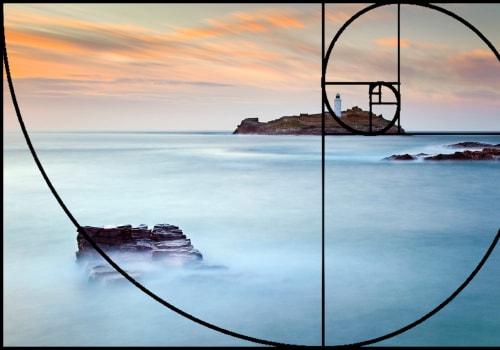
- The Rule of Thirds: Dividing the frame into thirds helps create balanced and engaging images.
- Leading Lines: Using natural lines within a scene can guide the viewer's eye and add depth to photographs.
- Framing: Incorporating elements in the foreground or background can help frame the subject, adding context and interest.
These skills not only improve image quality but also enhance a photographer's ability to convey stories through their work.
Understanding Equipment and Gear
When it comes to professional photography, the right equipment and gear are essential for capturing high-quality images that meet industry standards. Understanding the various types of equipment available can help photographers make informed decisions about their investments.Cameras
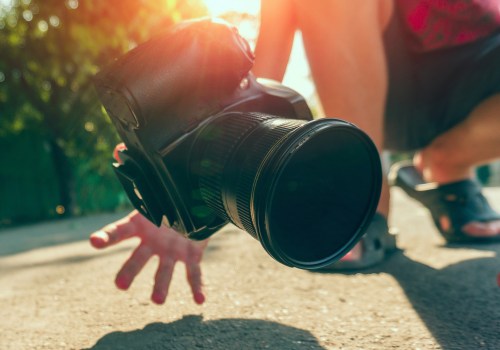
The foundation of any professional photographer's toolkit is their camera. While there are many options on the market, DSLR and mirrorless cameras are the most popular choices among professionals due to their versatility and image quality. Some of the best cameras for professional photography include:- Canon EOS R5 - Known for its impressive resolution and fast autofocus.
- Nikon Z7 II - Offers excellent low-light performance and dynamic range.
- Sony A7R IV - Renowned for its high resolution and advanced features.
Lenses
The choice of lens can significantly impact the final image.Different lenses serve various purposes, from wide-angle lenses for landscapes to telephoto lenses for wildlife photography. Here are some essential lenses for professional photography:
- 50mm f/1.8 lens - A versatile prime lens ideal for portraits and low-light situations.
- 24-70mm f/2.8 lens - A standard zoom lens that covers a wide range of shooting scenarios.
- 70-200mm f/2.8 lens - Perfect for capturing distant subjects with clarity.
Accessories
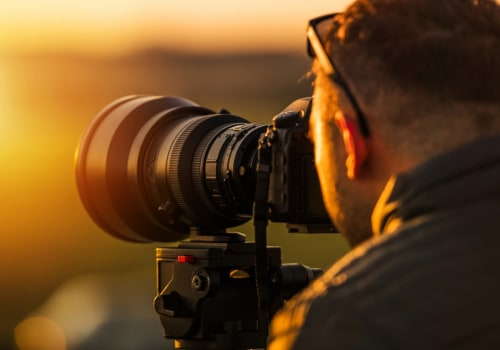
No professional setup is complete without essential accessories. These can enhance functionality and improve the overall shooting experience:- Tripods - Provide stability for long exposures and ensure sharp images.
- External flashes - Help in achieving proper lighting in various conditions.
- Camera bags - Protect gear while making it easy to transport.
The Importance of Post-Processing Techniques
In the realm of professional photography, post-processing techniques play a crucial role in transforming raw images into stunning visual narratives.This stage of photography is where the magic truly happens, allowing photographers to enhance their work and convey their artistic vision more effectively.Post-processing involves a variety of photo editing techniques that can significantly improve the quality and impact of an image. These techniques include:
- Color Correction: Adjusting the colors to ensure they are true to life or to create a specific mood.
- Exposure Adjustment: Modifying brightness and contrast to highlight details in shadows and highlights.
- Sharpening: Enhancing the clarity of an image to make it more visually appealing.
- Noise Reduction: Minimizing graininess, especially in low-light photographs.
- Cropping and Framing: Re-composing the image to focus on the subject and improve overall composition.
- Adobe Lightroom: Ideal for batch processing and organizing large collections of photos.
- Adobe Photoshop: Offers advanced editing capabilities for detailed retouching and manipulation.
- Capture One: Known for its powerful color grading tools and tethering capabilities.
- Affinity Photo: A cost-effective alternative with robust features for professional editing.
Building a Strong Portfolio
Creating a compelling photography portfolio is crucial for any professional photographer looking to attract clients and establish a recognizable brand.A well-curated portfolio not only showcases your best work but also reflects your unique style and expertise.
Photography Portfolio Tips:
- Select Your Best Work: Choose images that highlight your skills and creativity. Aim for quality over quantity; a few stunning images are more impactful than a large number of mediocre ones.
- Showcase Variety: Include a diverse range of styles and subjects to demonstrate your versatility. This can include portraits, landscapes, events, and product photography.
- Keep It Updated: Regularly refresh your portfolio with new work to keep it relevant. This shows potential clients that you are active and evolving in your craft.
- Tell a Story: Arrange your images in a way that tells a cohesive story or theme.
This can help viewers connect emotionally with your work.
- Choose the Right Platform: Decide whether you want to create a physical portfolio, an online gallery, or both. Online platforms like personal websites or social media can reach a wider audience.
- Write Captivating Descriptions: Accompany each image with brief descriptions that provide context, such as the story behind the shot or the techniques used.
- Seek Feedback: Before finalizing your portfolio, seek constructive criticism from peers or mentors. They can offer valuable insights that you might overlook.
This can provide you with ideas on how to structure your own portfolio effectively.A strong photography portfolio is not just a collection of images; it is a powerful tool that communicates your artistic vision and professionalism. By following these tips and continuously refining your portfolio, you can significantly enhance your chances of attracting clients in the competitive world of professional photography.
Developing a Unique Style and Vision
In the realm of professional photography, developing a unique style and vision is essential for standing out in a crowded market. A photographer's style is not merely a reflection of their technical skills; it embodies their personal experiences, emotions, and artistic preferences. Here are some key steps to help you find and cultivate your distinctive photography style:- Explore Different Genres: Experiment with various photography genres such as portrait, landscape, street, or macro photography.
This exploration will help you identify what resonates with you the most.
- Analyze Influences: Look at the work of photographers you admire. What elements do you find appealing? Is it their use of color, composition, or subject matter? Understanding these influences can guide you in shaping your own style.
- Practice Consistently: Regular practice is crucial. The more you shoot, the more you will discover your preferences and develop a signature approach to your work.
- Seek Feedback: Share your work with peers or mentors and be open to constructive criticism. Feedback can provide valuable insights into how others perceive your style.
- Stay Authentic: Your style should reflect who you are as an artist.
Avoid mimicking others too closely; instead, focus on what makes your perspective unique.
As you refine your style and vision, remember that evolution is part of the journey; embrace changes as they come and let them shape your growth as a professional photographer.
Marketing Strategies for Professional Photographers
In the competitive world of professional photography, effective marketing strategies are essential for attracting clients and building a sustainable business. Here are some key approaches that photographers can implement to enhance their visibility and reach.- Build a Strong Online Presence: A professional website showcasing your portfolio is crucial. Ensure it is visually appealing, easy to navigate, and optimized for search engines. Include a blog where you can share insights, tips, and recent projects to engage visitors and improve SEO.
- Utilize Social Media: Platforms like Instagram, Facebook, and Pinterest are invaluable for photographers.
Regularly post high-quality images, behind-the-scenes content, and client testimonials. Use relevant hashtags to increase your reach and engage with your audience through comments and direct messages.
- Networking: Attend industry events, workshops, and local meetups to connect with other professionals and potential clients. Building relationships can lead to referrals and collaborations that enhance your visibility.
- Email Marketing: Create a mailing list to keep past clients informed about your services, promotions, or new projects. Regular newsletters can help maintain relationships and encourage repeat business.
- Offer Promotions: Consider running special promotions or discounts during off-peak seasons to attract new clients.
Limited-time offers can create urgency and encourage bookings.
Client Management and Communication Skills
In the realm of professional photography, effective client management and strong communication skills are essential for fostering lasting relationships and ensuring client satisfaction. Photographers who excel in these areas not only enhance their reputation but also increase the likelihood of repeat business and referrals.Understanding Client Needs
- Listening actively to clients' visions and expectations is crucial. This involves asking the right questions to clarify their goals and preferences.
- Taking the time to understand the client's brand or personal style can help tailor the photography approach, resulting in images that resonate with them.
Setting Clear Expectations
- From the initial consultation to the final delivery of images, clear communication about timelines, pricing, and deliverables is vital.
This transparency helps build trust.
- Providing a detailed contract that outlines all aspects of the project can prevent misunderstandings and ensure both parties are on the same page.
Maintaining Open Lines of Communication
- Regular updates throughout the photography process keep clients informed and engaged. This can include sharing sneak peeks or progress reports.
- Being responsive to client inquiries demonstrates professionalism and commitment, which can significantly enhance their overall experience.
Post-Project Follow-Up
- After delivering the final images, following up with clients to gather feedback shows that you value their opinion and are dedicated to continuous improvement.
- This practice not only helps in refining your services but also opens doors for future collaborations as satisfied clients are more likely to return.
FAQs About Professional Photography
When it comes to professional photography, many aspiring photographers have questions that can help them navigate their careers and improve their skills. Here are some frequently asked questions:What is the difference between amateur and professional photography?
The primary difference lies in the level of expertise and the business aspect.Professional photographers typically have formal training, extensive experience, and a portfolio that showcases their work. They also earn a living from their photography, while amateurs may pursue it as a hobby.
What equipment do I need to start a career in professional photography?
While high-end equipment can enhance your work, starting with a good quality camera and lens is essential. Here are some basic items you should consider:- DSLR or mirrorless camera: These offer versatility and high-quality images.
- Lenses: Invest in a few different lenses for various shooting scenarios.
- Tripod: A sturdy tripod is crucial for stability, especially in low-light conditions.
- Editing software: Programs like Adobe Lightroom or Photoshop are vital for post-processing.
How can I improve my photography skills?
Improving your skills in professional photography requires practice and dedication. Here are some tips:- Take courses: Online or in-person classes can provide structured learning.
- Practice regularly: Experiment with different styles and techniques to find your niche.
- Seek feedback: Join photography groups or forums to share your work and receive constructive criticism.
- Study the masters: Analyze the work of renowned photographers to understand composition and lighting.
What are common misconceptions about professional photography?
A common misconception is that all photographers make a substantial income.In reality, income can vary widely based on factors such as location, specialization, and market demand. Additionally, many believe that owning expensive gear guarantees great photos; however, skill and creativity play a much larger role in producing stunning images.By addressing these questions, we hope to clarify some of the uncertainties surrounding professional photography, empowering aspiring photographers to pursue their passion with confidence.
Conclusion: Key Takeaways on Professional Photography
In conclusion, understanding the key elements of professional photography is essential for anyone looking to excel in this competitive field. Each component plays a vital role in not only enhancing the quality of the images produced but also in establishing a photographer's unique style and brand.Technical Skills: Mastery of camera settings, lighting techniques, and post-processing software is fundamental. A professional photographer must be adept at manipulating these elements to create stunning visuals that resonate with their audience.Artistic Vision: Beyond technical prowess, having a distinct artistic vision allows photographers to tell compelling stories through their work.This involves understanding composition, color theory, and the emotional impact of imagery.Professionalism: Reliability and professionalism are crucial in building a solid reputation. Meeting deadlines, communicating effectively with clients, and maintaining a high standard of work are all essential practices that contribute to long-term success.Networking and Marketing: In today’s digital age, effective marketing strategies and networking can significantly enhance visibility. Engaging with potential clients through social media, attending industry events, and collaborating with other creatives can open doors to new opportunities.Continuous Learning: The world of photography is ever-evolving. Staying updated with the latest trends, techniques, and technologies is vital for maintaining relevance in the industry.
Continuous education through workshops, online courses, or mentorship can greatly benefit aspiring photographers. By focusing on these key elements—technical skills, artistic vision, professionalism, networking, and continuous learning—photographers can not only improve their craft but also carve out a successful career in professional photography. Embracing these aspects will ultimately lead to more impactful work and a fulfilling journey in this creative field.