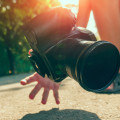
In the realm of professional photography, the use of props is not merely an afterthought; it is a vital component that can significantly enhance the narrative and emotional depth of an image. Props serve as visual tools that help to convey a story, providing context and meaning that might otherwise be lost. Whether it’s a vintage suitcase in a travel-themed shoot or a delicate flower in a portrait, these elements can transform a simple photograph into a compelling visual narrative. The role of props extends beyond mere decoration; they are instrumental in establishing mood and atmosphere. A well-chosen prop can evoke feelings of nostalgia, joy, or even tension, guiding the viewer's emotional response.
For instance, using warm-toned fabrics in a family portrait can create an inviting and cozy ambiance, while stark, minimalist props might lend a more modern and edgy feel to fashion photography. This intentional selection of props is a hallmark of skilled professional photographers, who understand that every element within the frame contributes to the overall composition. Moreover, props can also serve practical purposes in professional photography techniques. They can help to direct attention to the subject, create leading lines, or even assist in achieving specific lighting effects. By incorporating props thoughtfully, photographers can elevate their work from ordinary to extraordinary, crafting images that resonate with viewers on multiple levels.
As we delve deeper into this topic, we will explore various strategies that photographers employ to select and utilize props effectively, ensuring that each image tells a unique story.
Choosing the Right Props for Your Shoot
When it comes to professional photography, the choice of props can significantly influence the overall impact of the images. Selecting the right props requires careful consideration of several factors, including the theme of the shoot, the subject being photographed, and the desired emotional response from the audience.Understanding the Theme
- Before choosing props, it’s essential to define the theme of your shoot. Whether it’s a whimsical portrait, a dramatic fashion editorial, or a serene nature scene, the props should enhance and complement this theme.
Relevance to Subject
- Props should be relevant to the subject matter. For instance, if you are photographing a musician, consider using instruments or sheet music as props.
This relevance not only adds context but also tells a story that resonates with viewers.
Creativity and Uniqueness
- Don’t shy away from thinking outside the box. Unique props can set your work apart from others in the field of professional photography. Vintage items, handmade crafts, or even everyday objects can be transformed into compelling visual elements when used creatively.
Practical Considerations
- While creativity is key, practicality should not be overlooked. Ensure that the props are easy to handle and transport.
Heavy or cumbersome items can complicate the shoot and detract from the overall experience.
- Additionally, consider how props will interact with lighting and composition. Some materials may reflect light in unexpected ways, so testing them beforehand can save time during the actual shoot.
Final Thoughts
In summary, selecting props for photoshoots in professional photography is an art in itself. By focusing on relevance, creativity, and practicality, photographers can enhance their images and create memorable visual narratives that captivate their audience.
Incorporating Special Effects in Photography
In the realm of professional photography, incorporating special effects can elevate an image from ordinary to extraordinary. Photographers utilize a variety of techniques to create stunning visuals that captivate viewers.Lighting Effects
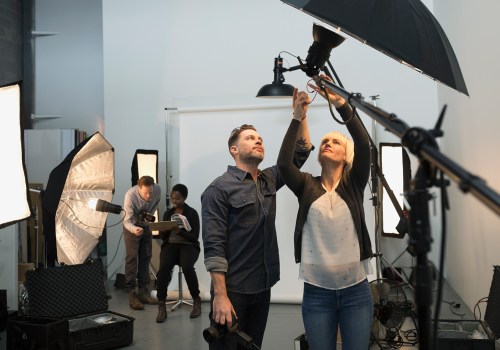
One of the most powerful tools in a photographer's arsenal is lighting.By manipulating natural and artificial light, photographers can create dramatic shadows, highlights, and moods. Techniques such as backlighting can produce a halo effect around subjects, while using diffusers softens harsh light, resulting in a more flattering appearance.
Filters
Filters are another essential element in achieving special effects.Polarizing filters
reduce glare and enhance colors, making landscapes pop with vibrancy.Neutral density filters
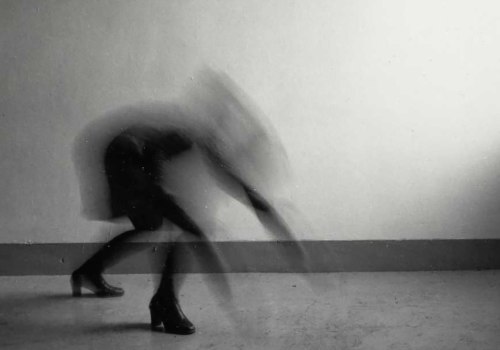
allow for longer exposure times, enabling photographers to capture motion blur in flowing water or clouds, adding a sense of dynamism to still images.Post-Processing Techniques
The digital darkroom offers endless possibilities for enhancing photographs.Professional photographers often employ software like Adobe Photoshop or Lightroom to refine their images. Techniques such as:
- Color grading: Adjusting hues and tones to create a specific atmosphere.
- Layering: Combining multiple images or effects to achieve a unique look.
- Retouching: Removing imperfections or distractions to focus on the subject.
Balancing Props and Effects with Composition
In the realm of professional photography, the integration of props and special effects can significantly enhance a photograph's narrative and aesthetic appeal. However, achieving a harmonious balance between these elements and the overall composition is crucial to avoid overwhelming the viewer.Understanding Composition
At its core, composition refers to how various elements are arranged within a frame.
A well-composed photograph draws the viewer's eye to the subject while providing context through props or effects. To maintain this focus, photographers should consider the following tips:
- Prioritize the Subject: Always ensure that the main subject remains the focal point. Props should complement rather than compete for attention.
- Use Negative Space: Incorporating negative space can help isolate the subject and reduce clutter. This technique allows props to enhance rather than distract from the main focus.
- Limit Prop Usage: Less is often more.
Select a few impactful props that add value to the story without overcrowding the frame.
- Consider Color and Texture: Props should harmonize with the color palette and texture of the scene. This cohesion can create a more visually appealing image.
Incorporating Special Effects
When it comes to special effects, such as lighting or filters, it’s essential to use them judiciously. Overuse can lead to a chaotic image that detracts from the subject. Here are some strategies for effective integration:
- Experiment with Lighting: Natural light can create stunning effects without overwhelming the composition.
Use shadows and highlights to guide attention toward your subject.
- Subtlety is Key: If using digital effects, aim for subtle enhancements that elevate the image without overshadowing it.
- Test Different Angles: Sometimes, changing your perspective can help you find a balance between props, effects, and composition that works best.
Case Studies: Successful Use of Props and Effects by Professionals
In the realm of professional photography, the strategic use of props and special effects can elevate an image from ordinary to extraordinary. Here are a few case studies that exemplify how top photographers have successfully integrated these elements into their work.1.Annie Leibovitz: The Power of Storytelling
Renowned for her iconic portraits, Annie Leibovitz often employs props to enhance the narrative of her subjects. In her famous photograph of John Lennon and Yoko Ono, the use of a simple bed and a white blanket creates an intimate atmosphere that speaks volumes about their relationship.This case illustrates how props can serve as powerful storytelling tools, adding depth and context to the image.
2.David LaChapelle: Surrealism in Photography
David LaChapelle is known for his vibrant, surreal compositions that often incorporate elaborate props and special effects. In his series "Heaven to Hell," LaChapelle uses bold colors, extravagant costumes, and surreal settings to create striking visual narratives. His work demonstrates how special effects can transform a photograph into a captivating piece of art, blurring the lines between reality and fantasy.3.Brooke Shaden: Conceptual Artistry
Brooke Shaden specializes in conceptual photography, where she frequently uses props like fabrics, mirrors, and natural elements to create ethereal scenes. In her series "The Dreamer," Shaden utilizes flowing fabrics to evoke a sense of movement and emotion, showcasing how props can enhance the thematic elements of a photograph.Her approach highlights the importance of selecting props that align with the overall vision of the shoot.
4.Tim Walker: Whimsical Fantasy
Tim Walker is celebrated for his fantastical imagery that often features oversized props and whimsical settings. In his editorial work for Vogue, Walker creates dreamlike scenarios that transport viewers into another world. His use of scale and imaginative props not only captures attention but also invites viewers to engage with the narrative on a deeper level.These case studies illustrate that when used thoughtfully, props and special effects can significantly enhance the impact of professional photography. By analyzing these successful examples, aspiring photographers can gain insights into how to effectively incorporate similar techniques into their own work.Common Mistakes to Avoid When Using Props and Effects
Incorporating props and special effects into professional photography can elevate an image, but it also comes with its own set of challenges.Here are some common mistakes photographers make and tips on how to avoid them:
- Overcomplicating the Scene: One of the most frequent errors is using too many props or effects, which can distract from the main subject. Keep it simple; choose one or two elements that enhance the story without overwhelming the viewer.
- Ignoring the Theme: Props should align with the overall theme of the shoot. A mismatch can confuse the audience and dilute the message. Always consider how each prop contributes to the narrative you want to convey.
- Poor Quality Props: Using low-quality or irrelevant props can detract from the professionalism of your work.
Invest in high-quality items that look good on camera and fit seamlessly into your composition.
- Neglecting Lighting: Special effects often require specific lighting conditions to look their best. Failing to adjust your lighting setup can result in unflattering shadows or highlights that ruin the effect. Always test your lighting with props before finalizing your shot.
- Lack of Planning: Spontaneity can be great, but when it comes to props and effects, a lack of planning can lead to chaos. Create a shot list and visualize how each element will fit into your composition before you start shooting.
Remember, the goal is to create a cohesive and engaging visual story that resonates with your audience.
FAQs About Props and Special Effects in Professional Photography
When it comes to professional photography, the use of props and special effects can significantly enhance the visual storytelling of an image. Here are some frequently asked questions regarding these elements:- What types of props are commonly used in professional photography?
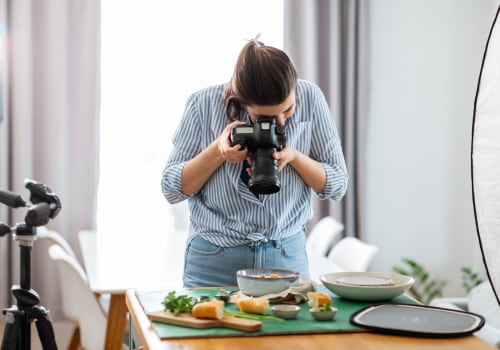
Props can range from simple items like chairs and books to more elaborate setups such as themed decorations or costumes. The choice of props often depends on the subject matter and the desired mood of the shoot. - How do photographers choose the right props?
Photographers typically consider the theme, color palette, and overall composition when selecting props. They aim for items that complement the subject without overwhelming it. - Are special effects necessary in professional photography?
While not always necessary, special effects can add a unique touch to images.Techniques such as long exposure, light painting, or digital manipulation can create stunning visuals that stand out.
- Can props and special effects be used in all types of photography?
Yes, but their application varies. For instance, in portrait photography, props may help convey personality, while in product photography, they can enhance the product's appeal. - How do photographers ensure props do not distract from the main subject?
Professional photographers often use a technique called negative space, ensuring that props are placed strategically to guide the viewer's eye towards the subject rather than diverting attention away from it.
Conclusion: The Art of Enhancing Photography with Props and Effects
In conclusion, the integration of props and special effects in professional photography is not merely an afterthought; it is a deliberate artistic choice that can significantly enhance the narrative and emotional impact of an image. Throughout this article, we have explored various strategies that photographers employ to effectively utilize these elements. Firstly, the careful selection of props can add layers of meaning to a photograph.Whether it’s a vintage suitcase in a travel-themed shoot or a delicate flower in a portrait, props can evoke specific emotions and tell a story that resonates with viewers. Photographers must consider how each prop aligns with the overall theme and message they wish to convey. Moreover, special effects—ranging from lighting techniques to digital enhancements—allow photographers to create unique atmospheres and moods. For instance, using backlighting can produce ethereal images, while post-processing effects can transform an ordinary scene into something extraordinary. The key lies in maintaining a balance; overuse of effects can detract from the subject rather than enhance it. Ultimately, the art of enhancing photography with props and effects requires a thoughtful approach.
Photographers should aim for cohesion between their subjects and the additional elements they introduce. By doing so, they not only elevate their work but also engage their audience on a deeper level. As we have seen, when executed with intention and creativity, props and special effects can be powerful tools in the hands of professional photographers, allowing them to push boundaries and explore new dimensions in their art.