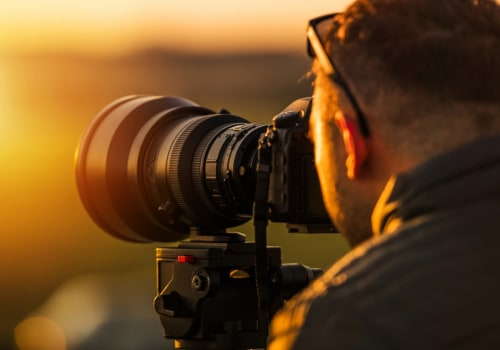
Photography is an art form that captures moments in time, transforming fleeting experiences into lasting memories. At its core, photography is the practice of using light to create images, whether through a camera lens or other means. This versatile medium encompasses a wide range of styles and techniques, from portrait and landscape photography to commercial and documentary work. Understanding the various types of photography is essential for anyone looking to appreciate the nuances of this craft. As we delve into the world of photography, it becomes crucial to distinguish between professional photography and amateur photography.
While both share a passion for capturing images, the approach, skill level, and intent behind each can vary significantly. Professional photographers often possess advanced technical skills, a deep understanding of lighting and composition, and access to high-quality equipment. They typically work in a commercial capacity, providing services for clients or producing work for exhibitions. On the other hand, amateur photographers may engage in photography as a hobby or personal interest. Their focus might be on exploration and creativity rather than commercial success.
This section aims to set the stage for a deeper exploration of these differences, highlighting why understanding the distinction between professional and amateur photography is not only relevant for aspiring photographers but also for anyone interested in the visual storytelling that photography offers.
Defining Professional Photography
Professional photography is defined by a combination of skill, experience, and the use of advanced equipment that sets it apart from amateur photography. At its core, professional photography involves not just taking pictures but creating compelling visual narratives that resonate with viewers.One of the key characteristics of professional photography is the photographer's mastery of various techniques. This includes an understanding of lighting, composition, and post-processing. Professional photographers are adept at manipulating natural and artificial light to enhance their images, ensuring that every shot captures the intended mood and detail.Additionally, professional photographers often possess a deep knowledge of their equipment.They utilize high-quality cameras, lenses, and accessories that allow for greater flexibility and creativity in their work. This equipment is typically more advanced than what an amateur might use, enabling professionals to achieve superior image quality and clarity.
- Technical Skills: Professional photographers are skilled in using various camera settings and techniques to achieve desired effects.
- Artistic Vision: They have a unique ability to see the world through a creative lens, translating their vision into stunning images.
- Post-Processing Expertise: Proficient in software like Adobe Photoshop and Lightroom, they enhance images to meet industry standards.
Characteristics of Amateur Photography
Amateur photography is often characterized by a more casual approach to capturing images, typically driven by personal interest rather than professional obligation.This section delves into the defining traits of amateur photographers and their work.
- Equipment Choices: Amateur photographers frequently use consumer-grade cameras or even smartphones, which may limit their technical capabilities. While some may invest in higher-end gear, many rely on what is readily available to them.
- Technical Skills: The skill level of amateur photographers can vary widely. Many possess a basic understanding of photography principles, such as composition and lighting, but may lack advanced techniques like manual exposure settings or post-processing skills.
- Creative Vision: Amateurs often shoot for personal enjoyment or to document experiences rather than for commercial purposes. This can lead to unique and spontaneous images that reflect their individual perspectives.
- Editing Practices: While some amateurs engage in photo editing, their knowledge of software tools like Adobe Photoshop or Lightroom may be limited.
This can result in less polished final images compared to those produced by professionals.
- Feedback and Learning: Many amateur photographers seek feedback from peers or online communities, using this input to improve their skills. This collaborative learning environment fosters growth but may also lead to inconsistent quality in their work.
Equipment Differences: Professional vs. Amateur
When it comes to professional photography, the choice of equipment plays a crucial role in the overall quality of the images produced.Professionals typically invest in high-end gear that offers superior performance, durability, and versatility compared to the equipment used by amateur photographers.
Camera Bodies
Professional photographers often use full-frame DSLRs or mirrorless cameras, which provide larger sensors that capture more light and detail. These cameras are designed for high-resolution images and can perform well in various lighting conditions. In contrast, amateur photographers may rely on entry-level DSLRs or compact cameras that, while user-friendly, often lack the advanced features and image quality of professional models.Lenses
The lenses used in professional photography are another significant differentiator. Professionals typically own a range of high-quality lenses, including prime and zoom options with wide apertures that allow for better low-light performance and depth of field control.Amateurs might use kit lenses that come bundled with their cameras, which are generally less versatile and offer limited creative options.
Accessories
- Tripods: Professionals often use sturdy tripods to ensure stability during long exposures or when shooting in challenging conditions. Amateurs may opt for lightweight models that are less stable.
- Lighting Equipment: Professional photographers frequently utilize external flashes, softboxes, and reflectors to control lighting effectively. In contrast, amateurs might rely on natural light or built-in camera flashes.
- Editing Software: Professionals invest in advanced editing software like Adobe Lightroom or Photoshop to enhance their images post-shoot. Amateurs may use basic editing tools or rely on smartphone apps.
The difference in gear ultimately impacts the final output, making it essential for aspiring photographers to understand these distinctions as they develop their skills.
Technical Skills and Knowledge
When comparing professional photography to amateur photography, one of the most significant differentiators lies in the technical skills and knowledge that professionals possess. These skills are not merely about knowing how to operate a camera; they encompass a wide range of competencies that contribute to the overall quality of the images produced.Composition
- Professional photographers have a deep understanding of composition techniques, such as the rule of thirds, leading lines, and framing. They know how to arrange elements within a frame to create visually appealing images that draw the viewer's eye.
- Amateurs may rely on instinct or trial and error, while professionals apply learned principles to enhance their work consistently.
Lighting Mastery
- Lighting is crucial in photography, and professionals excel in manipulating natural and artificial light. They understand how different lighting conditions affect exposure, mood, and texture.
- While amateurs might shoot in available light without much thought, professionals often use reflectors, diffusers, and external flashes to achieve the desired effect.
Editing Software Proficiency
- A key aspect of professional photography is post-processing.
Professionals are skilled in using advanced editing software like Adobe Photoshop and Lightroom to enhance their images.
- This proficiency allows them to correct color balance, adjust exposure, and retouch images to meet high standards that amateurs may not achieve.
Technical Knowledge
- Professional photographers possess a comprehensive understanding of camera settings such as aperture, shutter speed, and ISO. This knowledge enables them to make quick adjustments based on varying shooting conditions.
- In contrast, many amateurs may rely on automatic settings without fully grasping how these elements interact to affect the final image.
Artistic Vision and Style
When comparing professional photography to amateur photography, one of the most striking differences lies in the artistic vision and personal style that each brings to their work. Professionals often possess a well-honed ability to convey stories through their images, utilizing composition, lighting, and subject matter in ways that resonate deeply with viewers.Artistic Vision in Professional Photography
- Intentionality: Professionals approach each shoot with a clear intention, often planning their shots meticulously to evoke specific emotions or narratives.
- Technical Mastery: Their understanding of technical aspects—such as exposure, depth of field, and color theory—allows them to manipulate these elements to enhance their storytelling.
- Unique Perspective: A professional's background and experiences shape their artistic vision, leading to a distinctive style that sets them apart in a crowded market.
This is not to undermine the value of amateur photography; rather, it highlights the different stages of artistic development.
Creativity in Amateur Photography
- Exploration: Amateurs often experiment with various styles and techniques, which can lead to unique and innovative results.
- Personal Expression: Their work may reflect personal experiences or emotions more directly, offering a raw authenticity that can be compelling.
- Lack of Constraints: Without the pressures of client expectations or commercial viability, amateurs may feel freer to explore unconventional ideas.
Business Aspects of Professional Photography
Understanding the business aspects of professional photography is crucial for photographers who aspire to turn their passion into a sustainable career. Unlike amateur photography, which often lacks a structured approach, professional photography requires a strategic mindset to thrive in a competitive market.Marketing Strategies for Photographers
Effective marketing is essential for attracting clients and establishing a brand. Photographers should consider the following strategies:- Social Media Presence: Utilize platforms like Instagram and Facebook to showcase your portfolio, engage with potential clients, and share behind-the-scenes content.
- Networking: Attend industry events, collaborate with other professionals, and join local photography groups to build relationships that can lead to referrals.
- Website Optimization: Create a professional website that highlights your work, includes client testimonials, and features a blog to improve SEO and attract organic traffic.
Client Management
Managing client relationships is another critical component of the business side of professional photography.Clear communication and professionalism can set you apart:
- Contracts: Always use contracts to outline the scope of work, payment terms, and usage rights to protect both parties.
- Client Follow-Up: After a shoot, follow up with clients to thank them and request feedback. This not only shows appreciation but also opens the door for future business.
Pricing Structures
Determining how to price your services can be challenging but is vital for profitability. Consider these factors when setting your rates:- Market Research: Analyze what other photographers in your area charge for similar services to ensure your pricing is competitive.
- Cost Analysis: Calculate your costs, including equipment, software, marketing, and time spent on shoots and editing, to ensure you cover expenses while making a profit.
- Value Proposition: Communicate the unique value you offer—whether it’s your style, experience, or customer service—to justify your pricing.
Common Misconceptions About Amateur Photography
When discussing amateur photography, several misconceptions often arise that can undermine the value of the work produced by non-professionals. One prevalent myth is that amateur photographers lack the skill or knowledge necessary to create compelling images.While it is true that professional photographers often have formal training and years of experience, many amateurs are self-taught and possess a deep understanding of composition, lighting, and storytelling through their images.Another common misconception is that amateur photography is synonymous with poor quality. This belief overlooks the fact that many amateurs invest in high-quality equipment and dedicate significant time to honing their craft. The rise of digital photography has democratized access to advanced tools, allowing amateurs to produce stunning visuals that can rival those of seasoned professionals.
- Creativity and Perspective: Amateurs often bring fresh perspectives and innovative ideas to their work. Their lack of adherence to traditional norms can lead to unique and creative outcomes that challenge conventional photography.
- Community Engagement: Many amateur photographers engage with local communities, capturing events and stories that might otherwise go unnoticed.
This grassroots approach can foster a sense of connection and appreciation for the art form.
- Value of Passion: The passion that drives amateur photographers can result in deeply personal and emotive work. This enthusiasm often translates into projects that resonate with audiences on a more intimate level.
FAQs About Professional vs. Amateur Photography
When it comes to understanding the differences between professional photography and amateur photography, several common questions arise.Here are some frequently asked questions that can help clarify these distinctions:
What defines a professional photographer?
A professional photographer is typically someone who earns a living through their photography work. They possess advanced skills, often have formal training, and use high-quality equipment. Their work is usually characterized by a consistent style and a deep understanding of lighting, composition, and post-processing techniques.How does the equipment differ between professionals and amateurs?
While both professional and amateur photographers can use similar types of cameras, professionals often invest in higher-end equipment. This includes full-frame cameras, premium lenses, and advanced lighting setups.Additionally, professionals are more likely to have access to editing software and tools that enhance their workflow.
Are professional photographers more skilled than amateurs?
Generally, yes. Professional photographers have honed their skills through years of practice and experience. They understand the technical aspects of photography and can adapt to various shooting conditions. However, it’s important to note that some amateurs may possess exceptional talent and creativity.What is the significance of editing in professional photography?
Editing plays a crucial role in professional photography.Professionals often spend significant time in post-production to ensure their images meet high standards. This includes color correction, retouching, and enhancing details that may not be visible in the raw image. In contrast, amateur photographers may not have the same level of expertise or tools for editing.
Can an amateur photographer become a professional?
Absolutely! Many successful professional photographers started as amateurs. With dedication, practice, and a willingness to learn, an amateur can develop their skills and eventually transition into a professional role.Understanding these differences can help aspiring photographers identify their goals and the steps needed to elevate their craft from amateur to professional levels.Conclusion: The Value of Both Professional and Amateur Photography
In conclusion, the world of photography is enriched by both professional photography and amateur photography, each contributing unique perspectives and skills.Throughout this article, we have explored the distinct characteristics that set these two groups apart, yet we have also highlighted their interdependence.
Professional photographers
bring a wealth of experience, technical knowledge, and artistic vision to their work. They often invest in high-quality equipment and undergo extensive training to master their craft. This expertise allows them to capture images that not only meet but exceed client expectations, whether in commercial settings or personal projects. On the other hand, amateur photographers play a crucial role in the photography landscape as well. Their passion for capturing moments often leads to innovative approaches and fresh perspectives that can challenge conventional norms.Many amateurs are driven by a love for the art form rather than financial gain, which can result in authentic and heartfelt imagery. Both professional and amateur photographers contribute to a diverse photographic community. While professionals may set industry standards and trends, amateurs often push boundaries and explore new creative avenues. This symbiotic relationship fosters growth and innovation within the field. Ultimately, whether you are a seasoned professional or an enthusiastic amateur, the value of your work lies in your unique vision and ability to tell stories through images. Embracing both realms allows for a richer appreciation of photography as an art form.