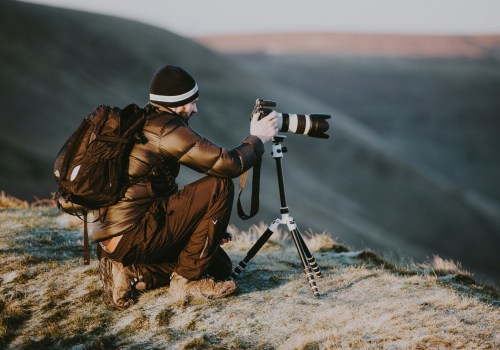
The professional photography market is a dynamic and ever-evolving landscape, shaped by technological advancements and shifting consumer preferences. As more individuals and businesses recognize the value of high-quality imagery, the demand for skilled photographers continues to grow. However, this burgeoning interest also means that competition is fiercer than ever. Understanding the current trends within the photography industry is essential for photographers looking to carve out their niche and effectively market their services. Recent trends indicate a significant shift towards digital platforms, with social media playing a pivotal role in how photographers showcase their work and connect with potential clients.
Platforms like Instagram and Pinterest have become essential tools for visual storytelling, allowing photographers to reach wider audiences than traditional methods ever could. Additionally, the rise of e-commerce has led to an increased need for product photography, creating new opportunities for professionals who can adapt to these demands. Market analysis reveals that clients are increasingly seeking personalized experiences and unique styles that resonate with their brand identity. This trend emphasizes the importance of not only honing technical skills but also developing a distinct artistic voice. Photographers who can effectively communicate their unique value proposition are better positioned to attract clients in this competitive environment.
As we delve deeper into the strategies that successful photographers employ to market their services, it becomes clear that understanding these industry trends is crucial for anyone looking to thrive in the professional photography market.
Building a Strong Brand Identity
Establishing a unique brand identity is crucial for photographers looking to stand out in a competitive market. A strong brand not only reflects your style and personality but also resonates with your target audience, making it easier for potential clients to connect with your work.Logo Design
- Your logo is often the first impression clients will have of your photography business. It should be simple, memorable, and reflective of your photographic style.
- Consider hiring a professional designer or using design tools to create a logo that encapsulates your vision.
- Ensure that your logo is versatile enough to be used across various platforms, from business cards to social media profiles.
Color Schemes
- The colors you choose for your brand can evoke specific emotions and set the tone for your photography. For instance, soft pastels may convey a romantic feel, while bold colors can suggest energy and creativity.
- Stick to a consistent color palette across all your marketing materials, including your website, social media, and printed materials.
This consistency helps reinforce your brand identity.
Messaging
- Your messaging should clearly communicate what makes you unique as a photographer. Consider what sets you apart—whether it's your approach to capturing moments, your expertise in a specific niche, or your commitment to customer service.
- Use language that resonates with your target clients. If you specialize in weddings, for example, use terms that evoke romance and celebration.
Creating an Impressive Portfolio
Creating an impressive portfolio is a crucial step for any professional photographer looking to attract clients.A well-curated portfolio not only showcases your best work but also reflects your unique style and expertise. Here are some essential tips on how to build a photography portfolio that stands out:
- Choose Your Best Work: Select a diverse range of images that highlight your skills and versatility. Aim for quality over quantity; it’s better to have a smaller collection of stunning images than a large number of mediocre ones.
- Showcase Different Styles: If you specialize in multiple genres, such as portrait, landscape, or event photography, include examples from each category. This demonstrates your adaptability and can appeal to a broader audience.
- Tell a Story: Arrange your images in a way that tells a cohesive story or theme.
This can help potential clients envision how your photography can capture their own moments.
- Keep It Updated: Regularly update your portfolio with new work to keep it fresh and relevant. This shows that you are active in the field and continuously improving your craft.
- Consider Your Audience: Tailor your portfolio to the type of clients you want to attract. If you’re aiming for weddings, include more wedding-related images; if you want commercial work, showcase relevant projects.
- Use High-Quality Prints: If you’re presenting a physical portfolio, ensure that all prints are of high quality.
Poor print quality can detract from even the best photographs.
- Create an Online Portfolio: In today’s digital age, having an online presence is essential. Use platforms like personal websites or social media to display your work. Ensure that the website is user-friendly and visually appealing.
- Add Descriptions: Include brief descriptions or stories behind each image. This adds context and helps potential clients connect with your work on a deeper level.
Leveraging Social Media Platforms
In today's digital age, social media has become an indispensable tool for professional photographers looking to market their services.By leveraging various platforms, photographers can showcase their work, connect with potential clients, and build a loyal following.
Joining local photography groups can also provide opportunities for networking and referrals.
- Consistency: Post regularly to keep your audience engaged and informed about your services.
- Engagement: Respond to comments and messages promptly to build relationships with followers.
- Hashtags: Use relevant hashtags to increase the visibility of your posts and reach a broader audience.
- Collaborations: Partner with other creatives or brands to expand your reach and tap into new audiences.
Utilizing SEO and Online Marketing Techniques
In the competitive world of professional photography, leveraging SEO and online marketing techniques is essential for standing out and attracting clients. By implementing effective strategies, photographers can enhance their online presence and drive more traffic to their websites.SEO Best Practices for Photographers
To optimize your website for search engines, start with thorough keyword research. Identify terms that potential clients are searching for, such as "wedding photography in [your location]" or "portrait photographer near me." Incorporate these keywords naturally into your website's content, including:- Page titles
- Meta descriptions
- Image alt tags
- Headings
This not only helps with SEO but also establishes you as an authority in the field.
Online Marketing Strategies for Photography
Beyond SEO, utilizing social media platforms is crucial for photographers. Platforms like Instagram and Pinterest are visually driven and perfect for showcasing your portfolio. Regularly post high-quality images and engage with your audience through comments and direct messages.Email marketing is another powerful tool. Build a mailing list by offering a freebie, such as a photography guide or discount on services.Send regular newsletters featuring your latest work, upcoming events, or special promotions to keep your audience engaged.Finally, consider investing in paid advertising. Platforms like Facebook and Google Ads allow you to target specific demographics, ensuring that your ads reach potential clients who are actively searching for professional photography services.By combining these digital marketing strategies with solid SEO practices, photographers can significantly enhance their visibility online and attract more clients to their business.
Networking and Building Relationships in the Industry
In the world of professional photography, networking and building relationships are crucial components for success. Photographers who actively engage with their peers and industry professionals often find themselves with more opportunities for collaboration, referrals, and growth.Networking for photographers
can take many forms, from attending industry events and workshops to participating in online forums and social media groups. These platforms allow photographers to connect with others in the field, share experiences, and learn from one another.By establishing a presence in these communities, photographers can showcase their work, gain feedback, and even discover potential clients.Building relationships in photography goes beyond just making connections; it involves nurturing those connections over time. Here are some effective strategies:
- Attend Local Events: Participate in gallery openings, photography exhibitions, and local meetups. These events provide excellent opportunities to meet fellow photographers and industry professionals.
- Join Professional Organizations: Becoming a member of photography associations can open doors to networking events, workshops, and resources that enhance your skills and connections.
- Collaborate on Projects: Partnering with other photographers or creative professionals on projects can lead to mutual referrals and broaden your portfolio.
- Utilize Social Media: Platforms like Instagram and LinkedIn are powerful tools for connecting with other photographers. Engage with their content, share your work, and build a community around your brand.
When clients seek recommendations for professional photography services, having established relationships with other professionals can ensure that you are top of mind. This is particularly true in niche markets where specialized skills are required.In conclusion, networking and building relationships within the photography community are essential for any photographer looking to thrive in a competitive market. By actively engaging with others and fostering meaningful connections, photographers can enhance their visibility, gain valuable insights, and ultimately grow their business.
Client Testimonials and Word-of-Mouth Marketing
In the competitive world of professional photography, client testimonials and word-of-mouth marketing play a crucial role in establishing credibility and attracting new clients. Positive feedback from satisfied customers not only enhances your reputation but also serves as a powerful marketing tool.Gathering Client Testimonials
- After each successful shoot, reach out to your clients and ask for their feedback.
A simple email or message can prompt them to share their thoughts.
- Consider creating a structured questionnaire that allows clients to express their experiences in detail. This can help you gather specific insights that highlight your strengths.
- Encourage clients to leave reviews on platforms like Google, Yelp, or social media. These public endorsements can significantly influence potential clients' decisions.
Utilizing Testimonials Effectively
- Showcase testimonials prominently on your website. Create a dedicated page or section where visitors can easily read about others' positive experiences.
- Incorporate quotes from clients into your marketing materials, such as brochures or social media posts.
Visuals paired with testimonials can create a compelling narrative.
- Use video testimonials for a more personal touch. Seeing and hearing satisfied clients can build a stronger connection with potential customers.
Building Trust Through Word-of-Mouth Marketing
Word-of-mouth marketing is one of the most effective forms of advertising for professional photographers. When clients share their positive experiences with friends and family, it creates an organic buzz around your services. To encourage this:
- Provide exceptional service that exceeds client expectations.
Happy clients are more likely to recommend you to others.
- Implement referral programs that reward clients for bringing in new business. This not only incentivizes them but also fosters loyalty.
- Engage with your audience on social media. Responding to comments and sharing user-generated content can amplify word-of-mouth referrals.
Participating in Local Events and Exhibitions
Participating in local events and exhibitions is a powerful strategy for professional photographers to showcase their work and connect with potential clients. These gatherings provide a unique opportunity to engage with the community, allowing photographers to demonstrate their skills and creativity in a personal setting.One of the primary benefits of attending photography exhibitions is the chance to network with other professionals and enthusiasts.By interacting with fellow artists, photographers can exchange ideas, collaborate on projects, and even gain referrals. Additionally, these events often attract individuals who are specifically interested in photography, making it easier to find potential clients who appreciate the art form.Local events such as fairs, markets, and art shows can also serve as excellent platforms for promoting photography services. Here are some ways photographers can maximize their presence at these events:
- Set up an engaging booth: Create an inviting display that showcases your best work. Use high-quality prints and consider incorporating digital displays to attract attention.
- Offer live demonstrations: Engage attendees by offering mini-sessions or live editing demonstrations.
This not only showcases your skills but also allows potential clients to see your process.
- Provide promotional materials: Hand out business cards, brochures, or flyers that detail your services and contact information. Make sure these materials reflect your brand's aesthetic.
- Collect contact information: Use a sign-up sheet or digital form to gather email addresses from interested attendees. This allows you to follow up with potential clients after the event.
This familiarity can lead to word-of-mouth referrals, which are invaluable in the professional photography industry.In conclusion, engaging in local events and exhibitions not only enhances visibility but also fosters meaningful connections with potential clients. By actively participating in these gatherings, professional photographers can effectively promote their services and establish a strong local presence.
Email Marketing Strategies for Photographers
Email marketing is a powerful tool for professional photographers looking to maintain relationships with past clients and attract new ones. By leveraging targeted email campaigns, photographers can effectively showcase their work, share updates, and promote special offers.Building an Email List in Photography
- Offer Incentives: Encourage website visitors to subscribe to your email list by offering incentives such as a free guide on photography tips, a discount on their first session, or exclusive access to behind-the-scenes content.
- Utilize Social Media: Promote your email sign-up form on your social media platforms. Use engaging posts to direct followers to your website where they can easily subscribe.
- Networking Events: Collect email addresses at events, workshops, or exhibitions.
A simple sign-up sheet can help you grow your list while connecting with potential clients.
Effective Email Campaigns for Photographers
- Segment Your Audience: Tailor your emails based on client interests or previous interactions. For instance, send wedding photography updates to couples who have inquired about wedding services.
- Create Engaging Content: Share high-quality images from recent shoots, testimonials from satisfied clients, and informative articles related to photography. This not only showcases your skills but also provides value to your subscribers.
- Regular Newsletters: Establish a consistent schedule for sending newsletters—whether monthly or quarterly. Regular communication keeps you top-of-mind for clients and encourages referrals.
- Promotions and Special Offers: Use email campaigns to announce limited-time offers or seasonal promotions.
This creates urgency and encourages bookings.
Conclusion: Key Takeaways for Marketing Your Photography Services
In conclusion, effectively marketing your professional photography services requires a strategic and multifaceted approach. Here are the key takeaways to consider:- Understand Your Target Audience: Identifying and understanding your ideal clients is crucial. Tailor your marketing efforts to meet their specific needs and preferences.
- Leverage Social Media: Platforms like Instagram and Facebook are invaluable for photographers. Regularly share your work, engage with followers, and utilize targeted ads to reach potential clients.
- Create a Professional Website: Your website serves as your online portfolio.
Ensure it is visually appealing, easy to navigate, and optimized for search engines to attract organic traffic.
- Utilize SEO Strategies: Implementing effective SEO techniques can significantly enhance your online visibility. Focus on relevant keywords such as professional photography, optimize image alt texts, and create valuable content that resonates with your audience.
- Network and Collaborate: Building relationships with other professionals in the industry can lead to referrals and collaborative opportunities. Attend local events, workshops, or join photography groups to expand your network.
- Offer Promotions and Packages: Consider creating special offers or packages that appeal to different segments of your market. This can attract new clients while providing existing ones with added value.
Remember that consistency and adaptability are key in the ever-evolving landscape of photography marketing.