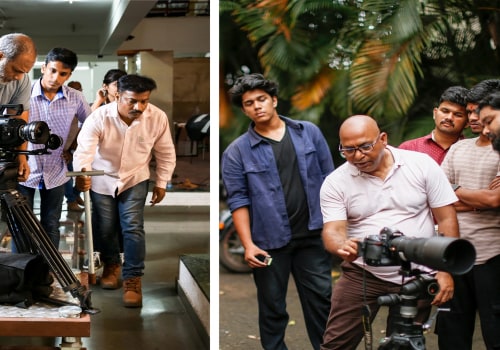
The client-photographer relationship is a delicate balance of trust, communication, and artistic vision. For professional photographers, understanding this dynamic is essential not only for delivering stunning images but also for ensuring a smooth workflow. When clients approach a photographer, they often come with specific expectations and desires, which can sometimes lead to misunderstandings if not addressed properly. This is where the importance of clear and open communication in photography comes into play. Establishing a solid foundation at the outset can significantly reduce the likelihood of difficult situations arising later on.
Photographers should take the time to discuss their style, process, and what clients can expect from the shoot. This includes everything from the type of shots that will be taken to how long the session will last. By setting these expectations early, photographers can foster a sense of confidence and security in their clients, which is crucial for a successful collaboration. Moreover, being proactive in communication allows photographers to gauge their clients' comfort levels and preferences. This not only helps in creating a more enjoyable experience but also empowers clients to express any concerns or adjustments they might have.
Ultimately, a strong client-photographer relationship built on mutual respect and understanding can transform challenging situations into opportunities for creativity and connection.
Common Challenges Faced by Professional Photographers
Professional photography is a rewarding yet challenging field, and photographers often encounter a variety of obstacles that can complicate their work. Understanding these common challenges is essential for both photographers and clients alike. One of the most prevalent issues is dealing with difficult clients. These clients may have unrealistic expectations regarding the outcome of their photos. For instance, they might expect a perfect shot in less-than-ideal lighting conditions or demand extensive retouching that goes beyond the photographer's style.Clear communication about what is achievable can help mitigate these situations. Another challenge is last-minute changes. Whether it’s a sudden shift in location or a change in the number of people being photographed, these alterations can disrupt the flow of a shoot. Photographers often need to be adaptable and maintain a positive attitude to ensure that the final product meets the client's needs, even when plans change unexpectedly. Additionally, photographers frequently encounter difficult personalities. Some clients may be overly critical or indecisive, which can create tension during a session.
Establishing a rapport and setting clear expectations from the outset can help ease these interactions. It’s important for photographers to remain professional and composed, even when faced with challenging behavior. Lastly, logistical issues such as equipment failure or inclement weather can pose significant challenges. Professional photographers must be prepared with backup plans and alternative solutions to ensure that they can deliver quality work regardless of unforeseen circumstances. By recognizing and addressing these common issues, professional photographers can enhance their client relationships and improve their overall workflow.
Effective Communication Strategies
Effective communication is the cornerstone of a successful relationship between professional photographers and their clients. By employing specific strategies, photographers can manage client expectations and navigate challenging situations with ease.1.Set Clear Expectations from the Start
- During initial consultations, discuss the scope of the project in detail.
Outline what clients can expect regarding deliverables, timelines, and pricing.
- Provide a written contract that includes all agreed-upon terms to avoid misunderstandings later on.
2.Maintain Open Lines of Communication
- Encourage clients to ask questions at any stage of the process. This openness fosters trust and ensures that both parties are on the same page.
- Utilize various communication channels—emails, phone calls, or even messaging apps—to accommodate client preferences.
3.Be Proactive in Addressing Concerns
- If you sense a client is unhappy or uncertain, address it immediately. A simple check-in can prevent small issues from escalating into major conflicts.
- Offer solutions or alternatives if a problem arises, demonstrating your commitment to their satisfaction.
4.Educate Your Clients
- Share insights about the photography process, including how lighting, location, and timing can affect outcomes. This knowledge empowers clients and helps them appreciate your expertise.
- Provide examples of past work to illustrate what they can expect, which can help align their vision with reality.
5.Follow Up After the Shoot
- Once the project is complete, follow up with clients to gather feedback.
This not only shows that you value their opinion but also opens the door for future collaborations.
- A thank-you note or a small gesture of appreciation can leave a lasting positive impression.
Setting Boundaries and Expectations
In the realm of professional photography, establishing clear boundaries and expectations is crucial for a successful client relationship. This proactive approach not only helps in avoiding misunderstandings but also sets the tone for a smooth collaboration.Setting boundaries
begins with open communication. Before any shoot, it’s essential to have a detailed discussion with clients about their vision, preferences, and any specific requirements they may have. This dialogue allows photographers to gauge the client's expectations and align them with what is realistically achievable.One effective way to formalize these discussions is through professional photography contracts.A well-drafted contract serves as a roadmap for both parties, outlining key aspects such as:
- Scope of Work: Clearly define what services will be provided, including the number of photos, editing style, and delivery timelines.
- Payment Terms: Specify the total cost, deposit requirements, and payment schedules to avoid any financial disputes.
- Cancellation Policies: Include terms regarding cancellations or rescheduling to protect both the photographer and the client.
- Usage Rights: Clarify how the images can be used by the client and any restrictions on commercial use.
Addressing any issues promptly can prevent them from escalating into larger conflicts.By prioritizing clear communication and formal agreements, professional photographers can effectively navigate challenging situations with clients, ensuring a positive experience for all involved.
Handling Difficult Situations with Clients
In the world of professional photography, encountering difficult clients or challenging situations is not uncommon. The key to navigating these scenarios lies in effective communication and conflict resolution strategies.1.Active Listening: One of the most important skills a photographer can develop is active listening. When a client expresses dissatisfaction or concern, it’s crucial to listen attentively without interrupting. This not only shows respect but also helps in understanding their perspective fully.2.Stay Calm and Professional: Maintaining a calm demeanor is essential when faced with conflict.Even if a client becomes emotional or confrontational, responding with professionalism can help de-escalate the situation. Take deep breaths and approach the conversation with a solution-oriented mindset.3.Set Clear Expectations: To prevent misunderstandings, it’s vital to set clear expectations from the outset. Discuss details such as timelines, deliverables, and pricing in advance. Providing a written contract can also serve as a reference point for both parties.4.Offer Solutions: When issues arise, focus on offering solutions rather than dwelling on the problem.
For instance, if a client is unhappy with certain photos, suggest a re-shoot or provide editing options that align with their vision.5.Know When to Walk Away: In some cases, despite your best efforts, a client may remain unreasonable. It’s important to recognize when to disengage professionally. If the relationship becomes toxic or detrimental to your business, it may be best to part ways amicably. By implementing these strategies, professional photographers can effectively handle difficult clients and situations while maintaining their reputation and ensuring client satisfaction.
Case Studies: Real-Life Examples from Professional Photographers
Professional photographers often encounter challenging situations with clients that test their skills and patience. Here are a few real-life case studies that illustrate how these photographers navigated difficult circumstances.Case Study 1: The Last-Minute Change
A wedding photographer, Sarah, faced a significant challenge when the bride requested a complete change of the photo list just hours before the ceremony.Instead of panicking, Sarah calmly discussed the implications of the changes and offered to prioritize the most important shots. By maintaining open communication and demonstrating flexibility, she was able to capture stunning images that met the bride's new vision while still adhering to the timeline.
Case Study 2: The Unhappy Client
John, a portrait photographer, once had a client who was dissatisfied with their initial photos. Instead of dismissing their concerns, John arranged a follow-up session at no extra cost. He took the time to understand what the client wanted and adjusted his approach accordingly.This not only salvaged the relationship but also resulted in a series of portraits that exceeded the client's expectations.
Case Study 3: Managing Expectations
Emily, a commercial photographer, learned the importance of setting clear expectations after a project went awry due to miscommunication. She now provides clients with detailed contracts outlining deliverables, timelines, and revision policies. This proactive approach has significantly reduced misunderstandings and has led to smoother collaborations.These anecdotes highlight that while difficult clients can pose challenges, they also offer opportunities for professional growth. By employing effective communication strategies and demonstrating adaptability, photographers can turn potentially negative experiences into positive outcomes.FAQs About Managing Difficult Clients in Photography
Managing difficult clients in professional photography can be challenging, but understanding common concerns can help photographers navigate these situations effectively.Here are some frequently asked questions regarding this topic:
What should I do if a client is unhappy with their photos?
If a client expresses dissatisfaction, it’s crucial to listen actively and understand their specific concerns. Offer to discuss the issues in detail and see if there’s a way to address them, such as providing additional edits or a reshoot if feasible. Always maintain a professional demeanor and reassure them that their satisfaction is important to you.How can I set clear expectations with clients?
Setting clear expectations from the beginning is vital. During the initial consultation, discuss the photography style, deliverables, timelines, and any limitations.Providing a detailed contract that outlines these aspects can help prevent misunderstandings later on.
What are some tips for handling last-minute changes?
- Stay flexible: While it’s important to have a plan, being adaptable can help you manage unexpected changes.
- Communicate: Keep an open line of communication with your clients about any adjustments they wish to make.
- Document changes: Make sure to document any last-minute requests in writing to avoid confusion.
How do I deal with clients who are indecisive?
Indecisive clients can be frustrating, but patience is key. Offer guidance by presenting options and explaining the pros and cons of each choice. Sometimes, providing examples of previous work can help them visualize the outcome and make a decision more easily.What should I do if a client is disrespectful?
If you encounter disrespectful behavior, it’s essential to remain calm and professional. Address the behavior directly but tactfully, expressing how it affects your working relationship.If necessary, consider whether it’s best to continue working with this client or if it would be more beneficial to part ways amicably.By preparing for these common scenarios and employing effective communication strategies, photographers can enhance their client management skills and foster positive relationships even in challenging situations.