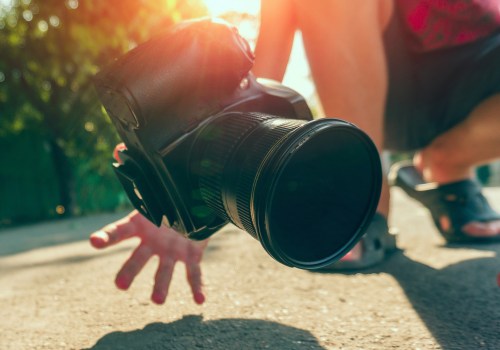
Professional photography is a specialized field that encompasses the art and practice of capturing images with a high level of skill, creativity, and technical expertise. Unlike amateur photography, which may be pursued as a hobby, professional photography is often characterized by its purpose-driven approach. Photographers in this realm are typically engaged in various sectors, including commercial, editorial, portrait, and fine art photography, each requiring a unique set of skills and knowledge. The definition of professional photography extends beyond just taking pictures; it involves understanding the nuances of lighting, composition, and post-processing techniques to produce images that meet specific client needs or artistic visions. This discipline plays a crucial role in numerous industries such as advertising, where compelling visuals can significantly influence consumer behavior, or in journalism, where powerful imagery can tell stories that resonate with audiences. Moreover, professional photographers often invest in high-quality equipment and continuous education to stay updated with the latest trends and technologies.
This commitment not only enhances their craft but also ensures that they can deliver exceptional results that stand out in a competitive market. As we delve deeper into the world of professional photography, we will explore its various applications and the impact it has on both individuals and businesses alike.
The Evolution of Professional Photography
The journey of professional photography began in the early 19th century, marking a significant shift in how we capture and perceive the world. The invention of the camera obscura laid the groundwork for this art form, but it was not until 1839 that photography was officially born with the introduction of the daguerreotype by Louis Daguerre. This process allowed for detailed images to be captured on a silver-coated copper plate, making photography accessible to the public and paving the way for its evolution.As technology advanced, so did the methods of capturing images.The introduction of film photography in the late 1800s revolutionized the field. George Eastman’s Kodak camera, launched in 1888, democratized photography by allowing amateurs to take pictures without needing extensive knowledge of the process. This shift not only expanded the audience for photography but also influenced professional photographers to adapt their styles and techniques.Throughout the 20th century, professional photography continued to evolve with significant technological advancements. The transition from black-and-white to color photography in the 1930s opened new avenues for artistic expression.
Photographers like Ansel Adams and Henri Cartier-Bresson began to explore different styles, emphasizing composition and storytelling through their work.The digital revolution in the late 20th century marked another pivotal moment in the history of professional photography. Digital cameras offered unprecedented flexibility and convenience, allowing photographers to experiment with various techniques without the constraints of film. This era also saw the rise of photo editing software, which transformed how images are processed and presented.Today, professional photography encompasses a wide range of genres, from portrait and commercial photography to fine art and documentary styles. The advent of social media has further changed the landscape, enabling photographers to share their work with a global audience instantly.
As we look to the future, it is clear that professional photography will continue to evolve, driven by technological innovations and shifting cultural trends.
Types of Professional Photography
Professional photography encompasses a wide range of genres, each with its unique style and purpose. Understanding the different types of professional photography can help clients choose the right photographer for their specific needs.- Portrait Photography: This genre focuses on capturing the personality and mood of individuals or groups. Portrait photographers often work in studios or on location, using various lighting techniques to create compelling images that tell a story about the subject.
- Commercial Photography: Aimed at promoting products or services, commercial photography includes advertising, product, and food photography. These images are designed to attract customers and convey a brand's message effectively.
- Fashion Photography: This type of photography showcases clothing and accessories, often for magazines or advertising campaigns.
Fashion photographers work closely with models, stylists, and designers to create visually stunning images that highlight the latest trends.
- Event Photography: Capturing significant moments during events such as weddings, corporate functions, or parties falls under this category. Event photographers must be skilled at candid photography to document the atmosphere and emotions of the occasion.
- Wildlife Photography: This genre involves capturing animals in their natural habitats. Wildlife photographers often spend long hours in remote locations, showcasing the beauty and behavior of wildlife while raising awareness about conservation issues.
Skills and Equipment Required for Professional Photography
To excel in professional photography, a combination of technical skills and the right equipment is essential.Understanding the nuances of photography can significantly enhance the quality of work produced.
Essential Skills for Professional Photography
- Technical Proficiency: A solid grasp of camera settings, including aperture, shutter speed, and ISO, is crucial. Photographers must know how to manipulate these settings to achieve the desired exposure and depth of field.
- Composition: The ability to compose a shot effectively is vital. This includes understanding the rule of thirds, leading lines, and framing techniques that draw the viewer's eye.
- Post-Processing: Familiarity with editing software such as Adobe Lightroom or Photoshop is important for enhancing images and correcting any flaws.
- Creativity: A successful photographer must possess a creative vision to capture unique perspectives and tell compelling stories through their images.
- Communication Skills: Especially in portrait or event photography, being able to communicate effectively with clients helps in understanding their needs and making them feel comfortable in front of the camera.
Equipment for Professional Photographers
The right equipment can make a significant difference in the quality of photographs. Here are some essential tools that professional photographers often use:- Camera: A high-quality DSLR or mirrorless camera is fundamental.
These cameras offer superior image quality and versatility compared to standard point-and-shoot models.
- Lenses: Different lenses serve various purposes. For instance, prime lenses are great for portraits due to their wide apertures, while zoom lenses provide flexibility for various shooting scenarios.
- Tripod: A sturdy tripod is essential for long exposure shots and ensuring stability, especially in low-light conditions.
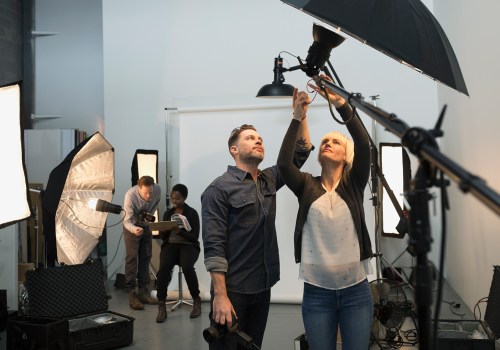
- Lighting Equipment: External flashes, softboxes, and reflectors help control lighting conditions, which is crucial for achieving professional results.
- Memory Cards and Storage: High-capacity memory cards are necessary for storing large files, while external hard drives ensure that images are backed up securely.
The Business Side of Professional Photography
Starting a professional photography business requires more than just a passion for capturing images; it involves understanding the intricacies of running a successful enterprise. Here are some key aspects to consider:Marketing Strategies
Effective marketing is crucial for attracting clients. Utilize social media platforms like Instagram and Facebook to showcase your work and engage with potential customers.Consider creating a professional website that highlights your portfolio, services, and client testimonials. Additionally, networking with other professionals in the industry can lead to referrals and collaborations.
Pricing Your Services
Determining how to price your services can be challenging. Research the market rates for professional photography in your area and consider your experience, skill level, and the costs associated with running your business. Offering different packages can cater to various budgets while ensuring you maintain profitability.Building a Portfolio
Your portfolio is a vital tool for showcasing your style and expertise.Start by including a diverse range of work that demonstrates your versatility. If you're just starting out, consider offering discounted or free sessions to build your portfolio. Ensure that each image reflects your best work and aligns with the type of photography you want to pursue.
Managing Client Relationships
Strong client relationships are essential for repeat business and referrals. Communicate clearly about expectations, timelines, and deliverables.After completing a project, follow up with clients to gather feedback and express gratitude for their business. This not only fosters goodwill but also encourages them to recommend you to others.In conclusion, the business side of professional photography encompasses various elements that require careful planning and execution. By focusing on effective marketing, appropriate pricing, a strong portfolio, and excellent client management, you can establish a thriving photography business.
Challenges Faced by Professional Photographers
Professional photography is a rewarding yet challenging field that requires not only artistic talent but also the ability to navigate various obstacles. Understanding these challenges is crucial for anyone looking to succeed in this competitive industry.Competition
is one of the most significant hurdles faced by professional photographers.With the rise of social media and smartphone technology, many individuals now consider themselves photographers, saturating the market. This influx makes it essential for professionals to differentiate themselves through unique styles, exceptional service, and effective marketing strategies. Another challenge is managing client expectations. Clients often have specific visions for their projects, which may not always align with the photographer's creative approach. Clear communication and setting realistic expectations from the outset can help mitigate misunderstandings and ensure satisfaction on both sides. Additionally, staying updated with technology is vital in professional photography.
The industry is constantly evolving, with new equipment and software emerging regularly. Photographers must invest time and resources into learning about the latest trends, tools, and techniques to remain competitive. This includes understanding advancements in camera technology, editing software, and even social media platforms for marketing their work. Lastly, managing the business side of photography can be daunting. Many photographers struggle with marketing, pricing their services appropriately, and handling administrative tasks such as contracts and invoicing.
Developing a solid business plan and seeking advice from industry professionals can help alleviate some of these pressures. In summary, while professional photography offers numerous rewards, it also presents various challenges that require resilience, adaptability, and continuous learning to overcome.
The Future of Professional Photography
The landscape of professional photography is evolving rapidly, driven by technological advancements and changing consumer preferences. As we look to the future, several key trends are emerging that will shape the industry.Advancements in AI Technology
Artificial Intelligence (AI) is set to revolutionize professional photography. From automated editing tools that enhance images in seconds to AI-driven cameras that can predict and capture the perfect moment, these innovations are making photography more accessible and efficient. Photographers can expect to see:- Smart editing software that learns individual styles and preferences, streamlining post-production work.
- AI-enhanced image recognition for better organization and retrieval of photos.
- Predictive analytics that help photographers understand market trends and client preferences.
The Influence of Social Media
Social media continues to play a pivotal role in the evolution of professional photography.Platforms like Instagram and TikTok are not only showcasing photographers' work but also influencing their styles and subjects. The future will likely see:
- A shift towards more authentic storytelling, as audiences crave genuine connections over polished perfection.
- The rise of short-form video content, prompting photographers to adapt their skills to include videography.
- A greater emphasis on personal branding, as photographers leverage social media to build their unique identities.
Conclusion: The Impact of Professional Photography on Society
In conclusion, professional photography plays a pivotal role in shaping our understanding of the world around us. Throughout this article, we have explored how this art form not only captures fleeting moments but also influences culture, society, and personal narratives.One of the most significant impacts of professional photography is its ability to document history.From iconic images that define eras to personal milestones that tell individual stories, professional photographers have the unique skill to encapsulate emotions and events in a way that resonates with viewers. This documentation serves as a visual record for future generations, preserving memories that might otherwise fade.Moreover, professional photography has the power to challenge societal norms and provoke thought. Through their lenses, photographers can highlight social issues, promote awareness, and inspire change. For instance, photojournalism has been instrumental in bringing attention to humanitarian crises and environmental concerns, urging society to take action.Additionally, the influence of professional photography extends into the realms of marketing and branding.
Businesses leverage high-quality images to create compelling narratives around their products and services, enhancing consumer engagement and trust. In an age where visual content dominates social media platforms, the demand for skilled photographers continues to grow.Ultimately, the importance of professional photography lies in its ability to connect people through shared experiences and emotions. Whether it’s a breathtaking landscape or an intimate portrait, these images foster a sense of community and understanding among diverse audiences.As we reflect on the multifaceted impact of professional photography on society, it becomes clear that this art form is not merely about taking pictures; it is about telling stories that matter and capturing the essence of life itself.